Español
 العربية
 Francés
 Русский
 Português
 Deutsch
 Italiano
 Kazakh
 Uzbek
Uzbek

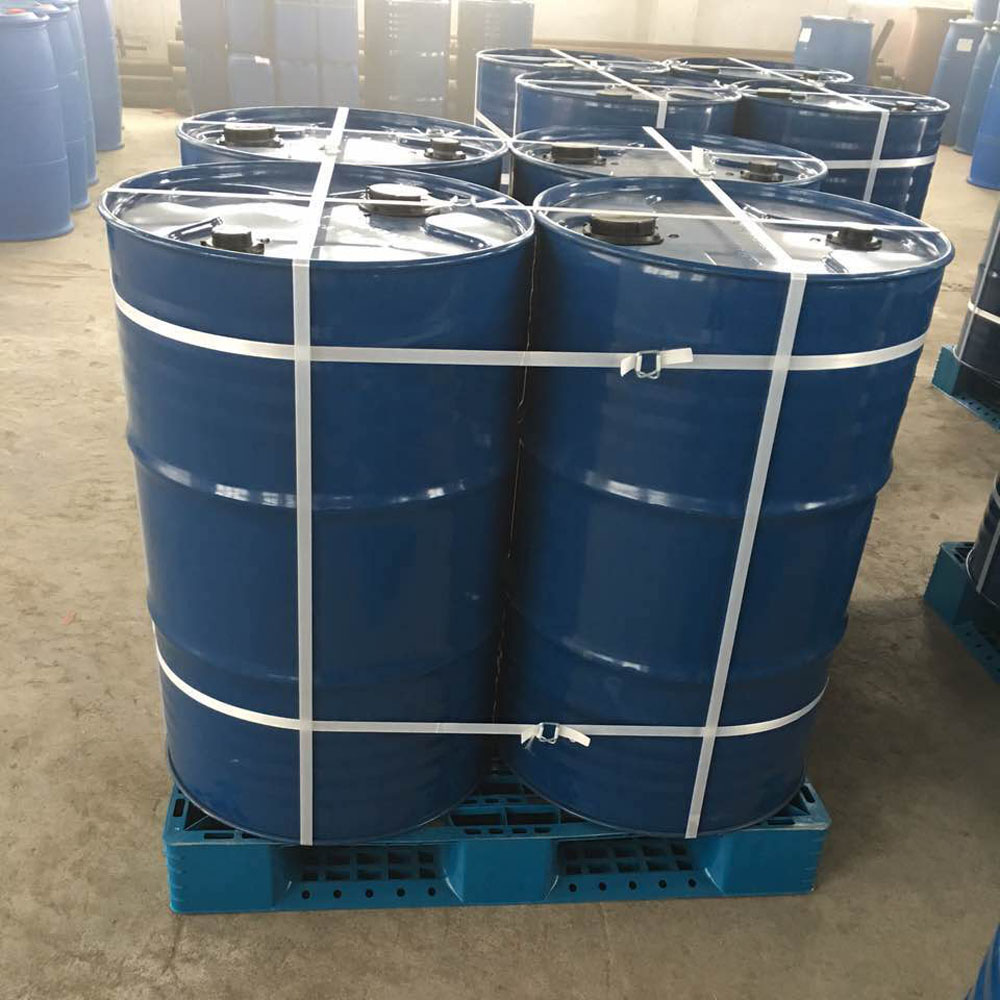
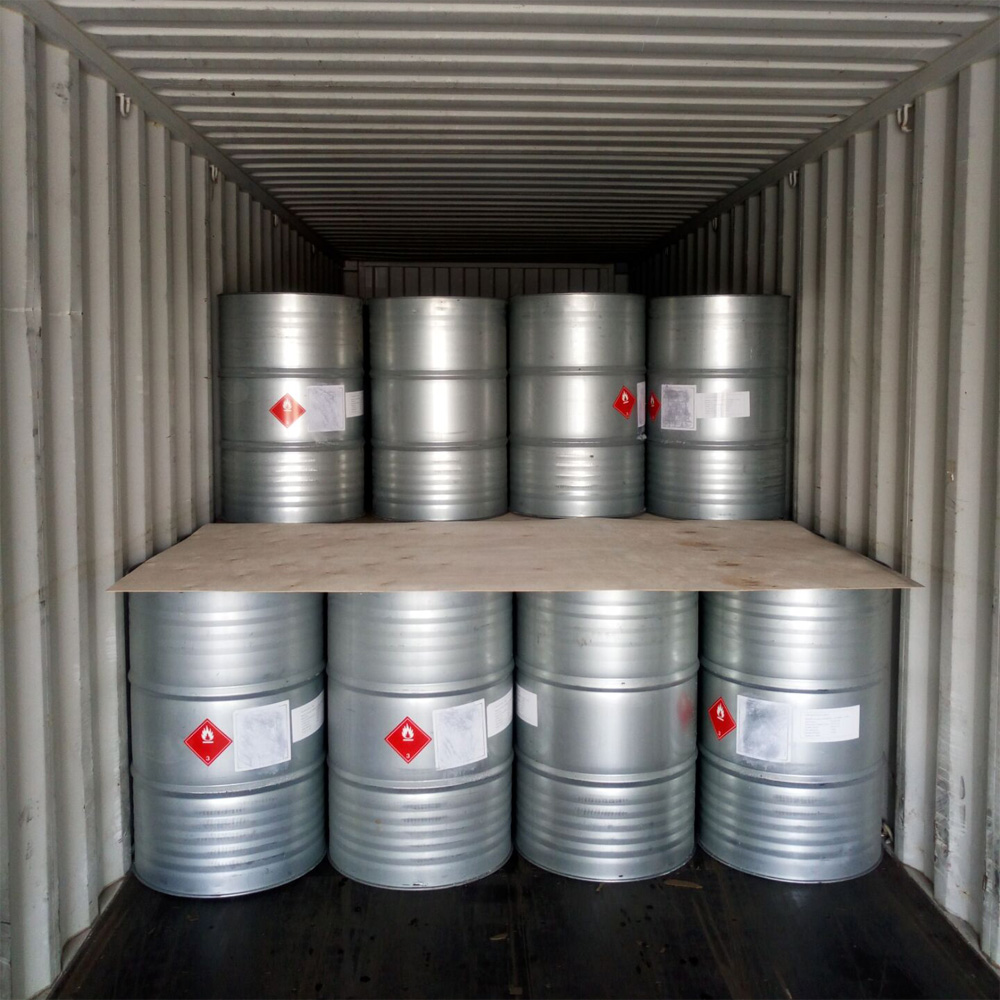
Poly(dimethylsiloxane) CAS#9016-00-6
CAS Number: 9016-00-6
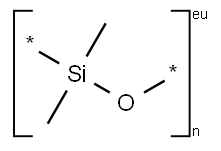
Chemical Formula: (C2H6OSi)n
Synonyms:
POLYDIMETHYLSILOXANE, TRIMETHYLSILOXY TERMINATED, BLEND
Dimethylpolysiloxan
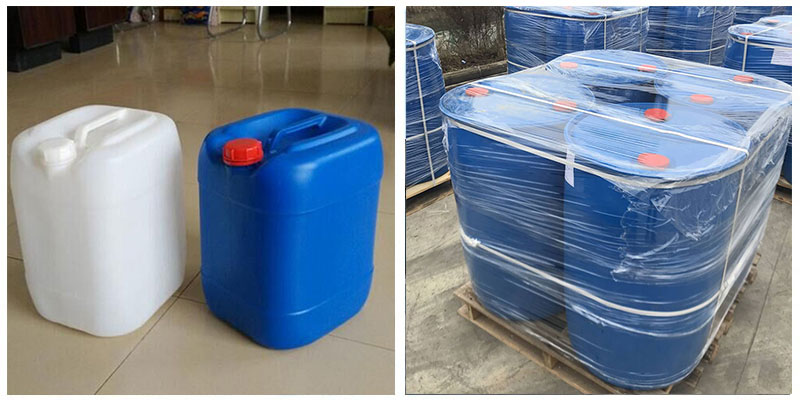
MOQ (Minimum Order Quantity): 1 FCL (Full Container Load)
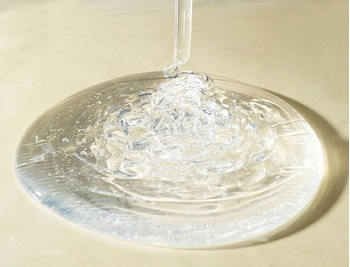
Appearance: Colorless transperant liquid
Poly(dimethylsiloxane) CAS#9016-00-6
Poly(dimethylsiloxane) is an antifoaming agent used in fats and oils. It prevents foaming and spattering when oils are heated and prevents foam formation during the manufacture of wine, refined sugar, gelatin, and chewing gum. It is also termed methyl polysilicone and methyl silicone.
Poly(dimethylsiloxane) Chemical Properties |
Melting point | -35°C |
Boiling point | 155-220°C |
density | 0.971 |
vapor pressure | 5 mm Hg ( 20 °C) |
refractive index | 1.4035 |
Fp | 63°C |
storage temp. | Refrigerator |
solubility | Chloroform (Slightly), Methanol (Slightly) |
form | Viscous Liquid |
Specific Gravity | 0.918 |
color | Colorless |
Water Solubility | INSOLUBLE |
Stability: | Stable. Flammable or combustible. Flammability depends upon extent of polymerization. Incompatible with strong oxidizing agents. |
Cosmetics Ingredients Functions | SKIN CONDITIONING |
Surface tension | 19mN/m at 20°C |
EPA Substance Registry System | Poly[oxy(dimethylsilylene)] (9016-00-6) |
Safety Information |
Risk Statements | 36/37/38 |
Safety Statements | 24/25 |
RIDADR | 1993 |
WGK Germany | 2 |
RTECS | TQ2690000 |
TSCA | Yes |
HazardClass | 3 |
HS Code | 39100000 |
Product Application of Poly(dimethylsiloxane) CAS#9016-00-6
Silicones are polymeric materials having silicon and oxygen on their composition. They are largely inert compounds usually heat-resistant, nonstick, and rubberlike. Polydimethylsiloxane (PDMS, molecular formula (C2H6OSi)n, density 965 kg/m3, boiling point: < 200℃, shear modulus between 100 kPa and 3 MPa, loss tangent less than 0.001) is a viscoelastic polymer (elastomer). PDMS is widely used in microfluidic technology thanks to some of its unique properties: it is low cost, nontoxic, chemically resistant, and stable against humidity and temperature variations. PDMS also presents low interfacial energy, which allows it to avoid chemical interactions with other polymers and solutions in the microfluidic channels. After polymerization and cross-linking, solid PDMS presents hydrophobic surface. A treatment using plasma oxidation is frequently used to alter the surface chemistry by adding silanol (SiOH) groups to the surface terminations and make the surface hydrophilic (wettable). PDMS is usually used as sealant, structural microchannel material or elastomer stamping matrix in soft lithography techniques like microcontact printing and micromolding.
Factory and Equipment Show
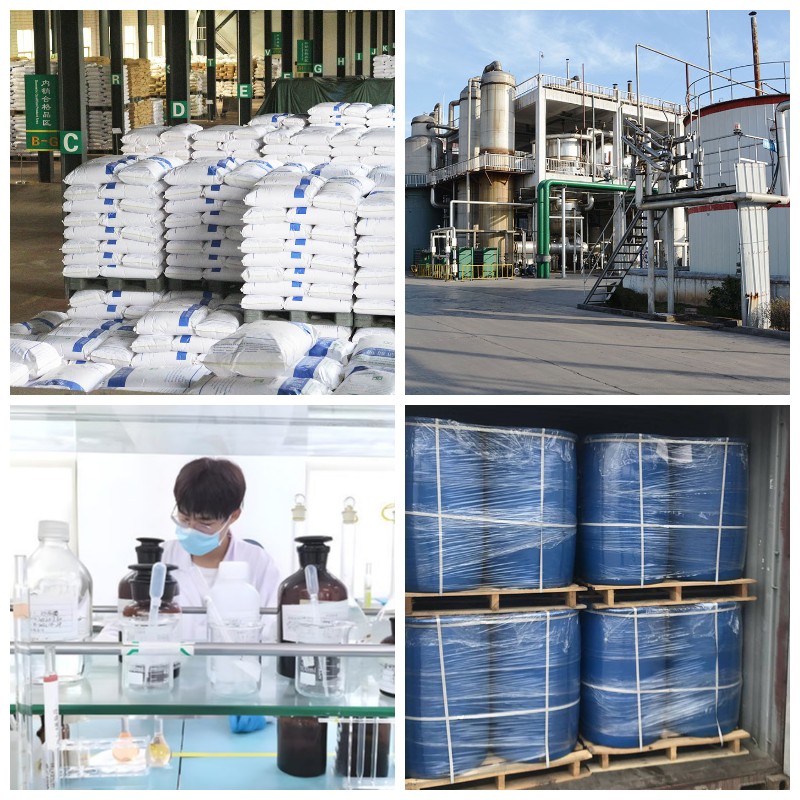
Fast delivery time
Inventory 2-3 working days New production 7-10 working days