Español
 العربية
 Francés
 Русский
 Português
 Deutsch
 Italiano
 Kazakh
 Uzbek
Uzbek

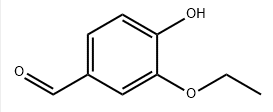
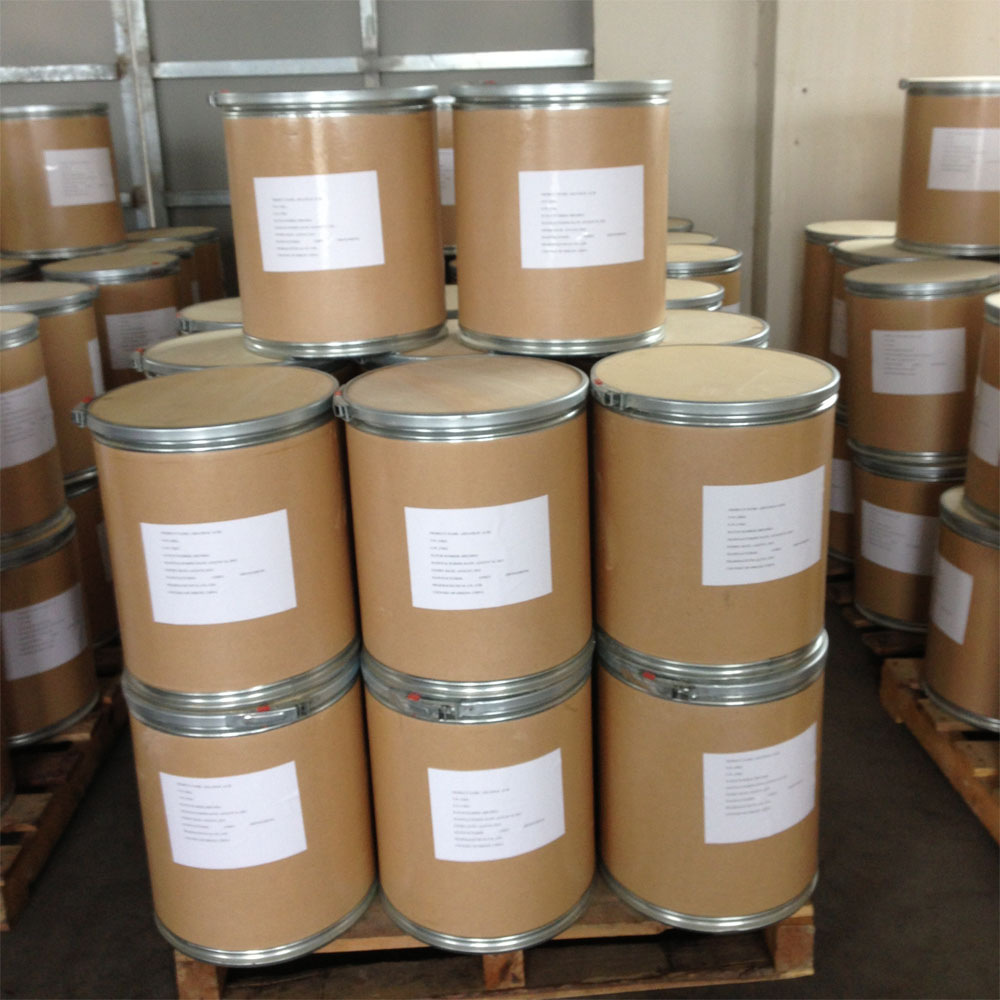
Ethyl vanillin CAS#121-32-4
CAS Number: 121-32-4
Chemical Formula: C9H10O3
Synonyms:
Ethavan;ethvlvanillin
3-ethoxy-
3-Ethoxy-4-hydroxybenzaldehyd
MOQ (Minimum Order Quantity): 1 FCL (Full Container Load)
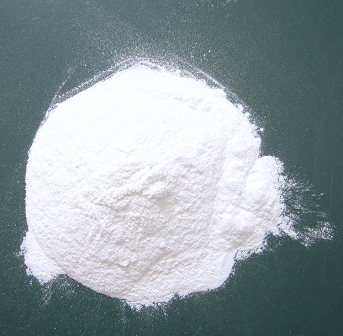
Appearance: White Powder
Ethyl vanillin CAS#121-32-4
Vanillin (4-hydroxy-3-methoxybenzaldehyde) (121-32-4) is the primary chemical component of the extract of vanilla bean. Natural vanilla extract is a mixture of several hundred compounds in addition to vanillin. Artificial vanilla flavoring solution of pure vanillin, is usually of synthetic origin. Synthetic vanillin and ethyl vanillin are used as flavoring agents in foods, beverages, and pharmaceuticals. Ethyl vanillin (3-ethoxy-4-hydroxybenzaldehyde; EVA, Fig. 1) is more expensive and has a stronger flavor. Compared to vanillin, ethyl vanillin has an ethoxy group (-O-CH2CH3) rather than a methoxy group (-O-CH3). The largest single use of ethyl vanillin is for flavoring. It is first synthesized from eugenol found in oil of clove and afterward synthesized from lignincontaining sulfite liquor, a by-product of wood pulp processing in paper manufacture. While some ethyl vanillin is still made from lignin waste, today most synthetic vanillin is synthesized in a two-step process from the petrochemical precursors: vanillin, ethyl vanillin, and guaiacol and, glyoxylic acid. Vanilla, being the world’s most popular flavoring materials, finds extensive applications in food, beverages, perfumery and pharmaceutical industry. With the high demand and limited supply of vanilla pods and the continuing increase in their cost, numerous efforts of blending and adulteration in natural vanilla extracts have been reported.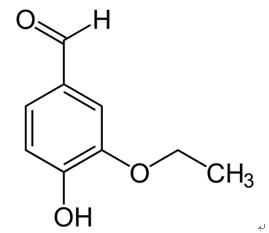
Ethyl vanillin and vanillin, the major phenolic constituents in vanilla products, are widely used as flavoring agents in foods and beverages. Ethyl vanillin, also used as a synthetic compound, is 2.5 times stronger in flavor than vanillin and used to substitute a large amount of vanillin, since it is less expensive and keeps better in storage and transport. Ethyl vanillin is converted to 3-ethoxy4-hydroxybenzaldehyde and 3-ethoxy-4-hydroxymandelic acid after dietary intake[1].
Ethyl vanillin has an intense vanilla odor and sweet taste. The flavoring power is two to four times stronger than vanillin. Ethyl vanillin has been used in food since the 1930s; it enhances fruity and chocolate odor impression. Its addition is self-limiting, as too high a level may impart an unpleasant flavor in the product; the product is not stable. In contact with iron or alkali, it exhibits a red color and loses its flavoring power.
Ethyl vanillin Chemical Properties |
Melting point | 74-77 °C (lit.) |
Boiling point | 285°C |
density | 1.1097 (rough estimate) |
vapor pressure | <0.01 mm Hg ( 25 °C) |
refractive index | 1.4500 (estimate) |
FEMA | 2464 | ETHYL VANILLIN |
Fp | 127°C |
storage temp. | Store below +30°C. |
solubility | 2.82g/l |
form | Fine Crystalline Powder |
pka | 7.91±0.18(Predicted) |
color | White to off-white |
Odor | at 10.00 % in dipropylene glycol. sweet creamy vanilla caramel |
Odor Type | vanilla |
biological source | synthetic |
Water Solubility | slightly soluble |
Sensitive | Light Sensitive |
Merck | 14,3859 |
JECFA Number | 893 |
BRN | 1073761 |
Stability: | Hygroscopic |
Cosmetics Ingredients Functions | SOOTHING |
LogP | 1.58 at 25℃ |
CAS DataBase Reference | 121-32-4(CAS DataBase Reference) |
NIST Chemistry Reference | 3-Ethoxy-4-hydroxybenzadehyde(121-32-4) |
EPA Substance Registry System | Ethyl vanillin (121-32-4) |
Safety Information |
Hazard Codes | Xn,Xi |
Risk Statements | 22-36/37/38 |
Safety Statements | 26-36 |
WGK Germany | 1 |
RTECS | CU6125000 |
Hazard Note | Harmful/Irritant/Light Sensitive |
TSCA | TSCA listed |
HS Code | 29124200 |
Hazardous Substances Data | 121-32-4(Hazardous Substances Data) |
Toxicity | LD50 orally in rats: >2000 mg/kg, P. M. Jenner et al., Food Cosmet. Toxicol. 2, 327 (1964) |
Product Application of Ethyl vanillin CAS#121-32-4
Ethyl Vanillin, is used as a flavorant, which is about three times as potent as vanillin (V097500) and can be utilized in the production of chocolate. It has also shown to have antioxidant properties.
Ethyl Vanillin is a flavoring agent that is a synthetic vanilla flavor with approximately three and one-half times the flavoring power of vanillin. it has a solubility of 1 g in 100 ml of water at 50°c. it is used in ice cream, beverages, and baked goods.
Factory and Equipment Show
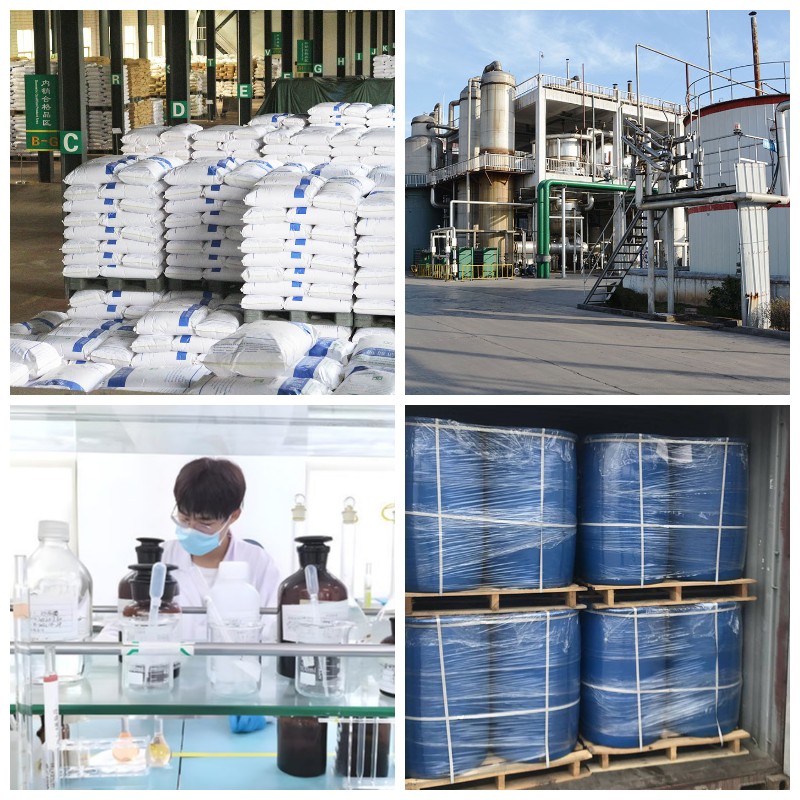
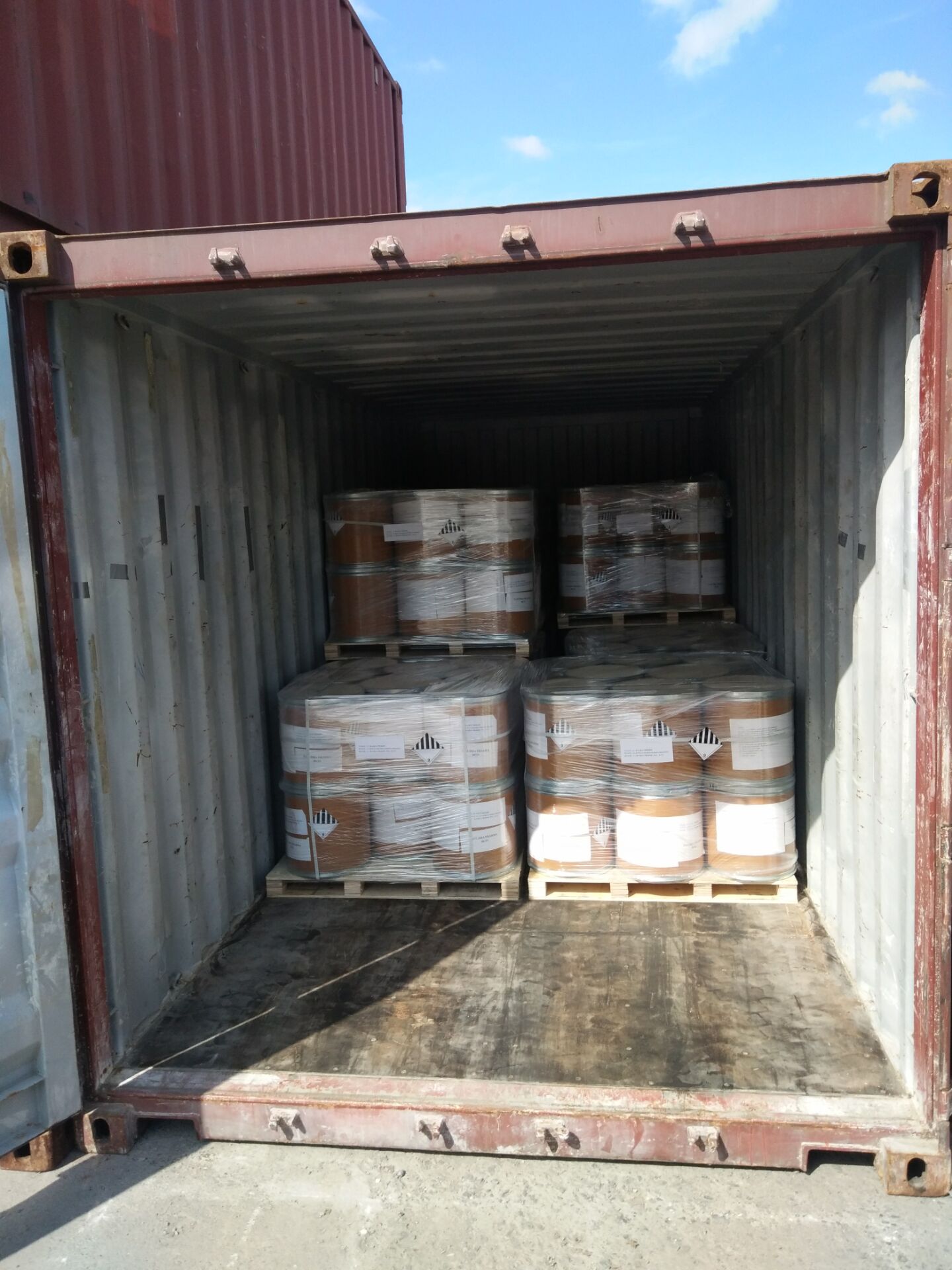
Fast delivery time
Inventory 2-3 working days New production 7-10 working days