Español
 العربية
 Francés
 Русский
 Português
 Deutsch
 Italiano
 Kazakh
 Uzbek
Uzbek

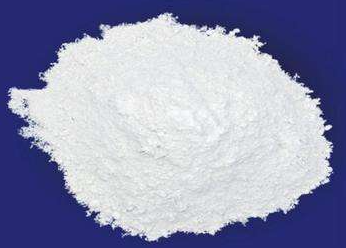
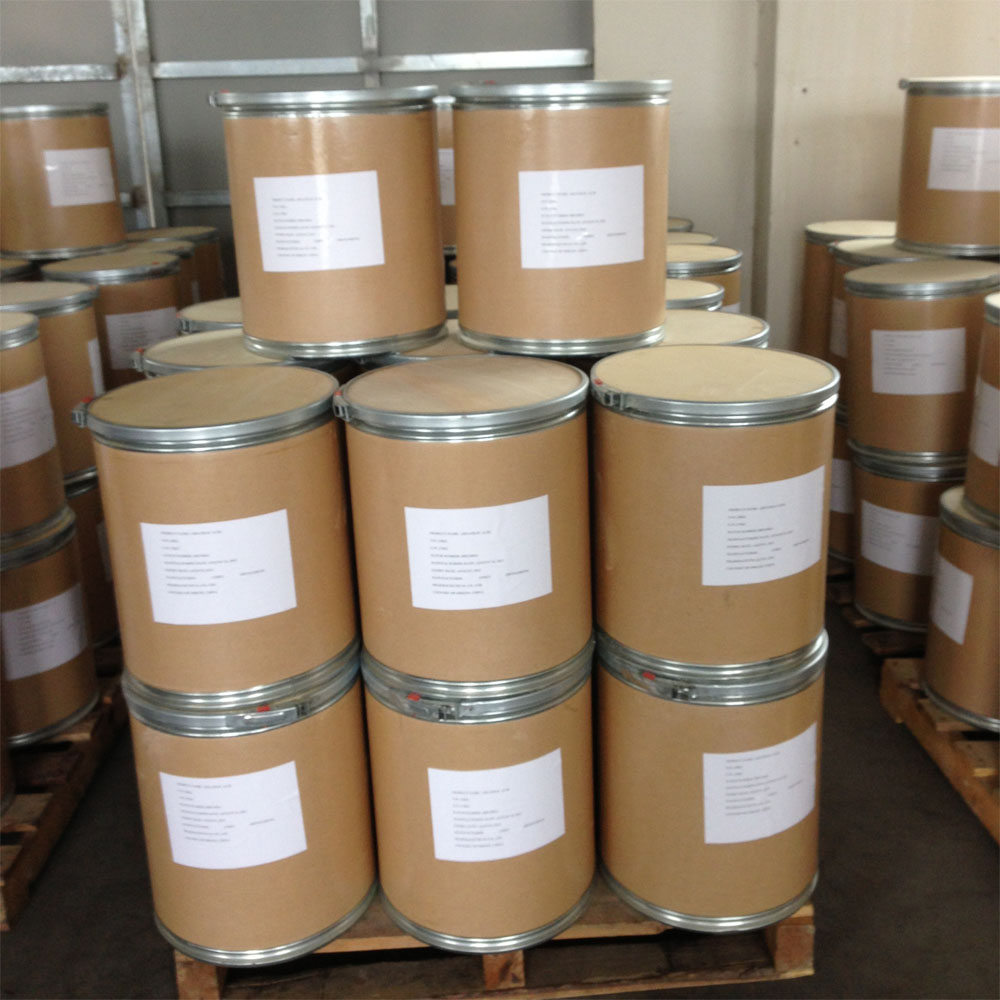
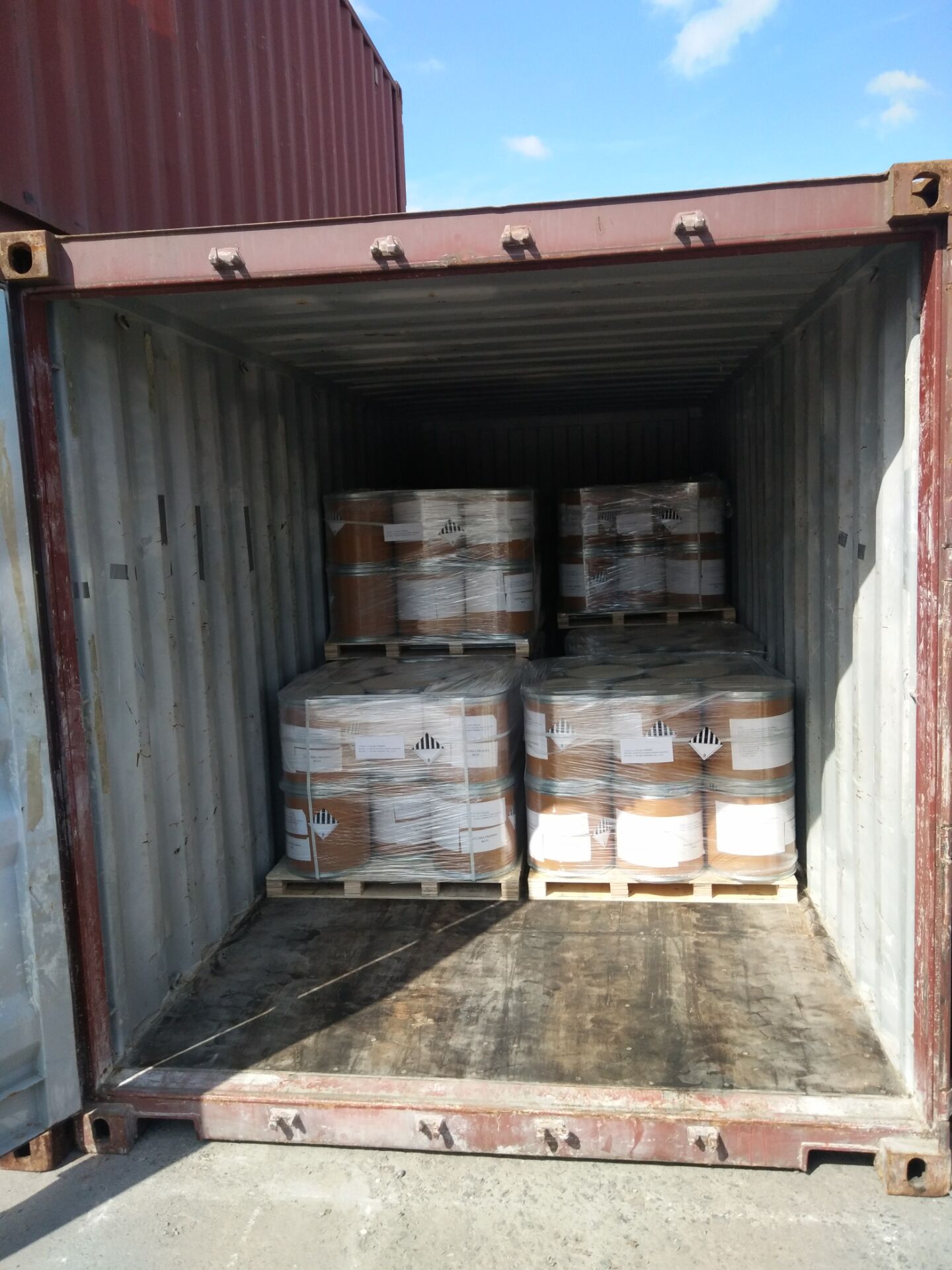
Zinc oxide CAS#1314-13-2
CAS Number:1314-13-2
Chemical Formula: OZn
Synonyms:
Zinc Oxide (fume) (also see metal)
ZINC OXIDE POWDER
Zinc oxide, Puratronic(R), 99.999% (metals basis)
MOQ (Minimum Order Quantity): 1 FCL (Full Container Load)
Appearance: White powder
Zinc oxide CAS#1314-13-2
Zinc oxide occurs in nature as mineral zincite. It is the most important zinc compound and has numerous industrial applications. Zinc oxide is the pigment in white paints. It is used to make enamels, white printing inks, white glue, opaque glasses, rubber products and floor tiles. It is used in cosmetics, soaps, pharmaceuticals, dental cements, storage batteries, electrical equipment, and piezoelectric devices. Other applications are as a flame retardant, as a UV absorber in plastics, and a reagent in analytical chemistry. A major application of zinc oxide is in the preparation of most zinc salts. In medicine, the compound is used as an antiseptic, an astringent and a topical protectant.| Zinc oxide Chemical Properties |
| Melting point | 1975 °C |
| Boiling point | 1949.9°C (estimate) |
| bulk density | 200-700kg/m3 |
| density | 5.6 |
| refractive index | 2.008~2.029 |
| Fp | 27℃ |
| storage temp. | Store at +5°C to +30°C. |
| solubility | 0.0016g/l insoluble |
| form | nanopowder |
| color | White to pale yellow |
| Specific Gravity | 5.61 |
| Odor | wh. to gray powd. or crystals, odorless, bitter taste |
| PH | 7 (50g/l, H2O, 20℃)(slurry) |
| Water Solubility | 1.6 mg/L (29 ºC) |
| Crystal Structure | ZnO type |
| crystal system | Six sides |
| Merck | 14,10147 |
| Space group | P63mc |
| Lattice constant | a/nmb/nmc/nmα/oβ/oγ/oV/nm30.324950.324950.5206990901200.0476 |
| Exposure limits | ACGIH: TWA 2 mg/m3; STEL 10 mg/m3 OSHA: TWA 5 mg/m3; TWA 15 mg/m3 NIOSH: IDLH 500 mg/m3; TWA 5 mg/m3; STEL 10 mg/m3; Ceiling 15 mg/m3 |
| Dielectric constant | 40.0(20℃) |
| Stability: | Stable. Incompatible with magnesium, strong acids. |
| Cosmetics Ingredients Functions | SKIN PROTECTING UV FILTER LIGHT STABILIZER ORAL CARE BULKING ANTIMICROBIAL COLORANT UV ABSORBER |
| InChIKey | XLOMVQKBTHCTTD-UHFFFAOYSA-N |
| CAS DataBase Reference | 1314-13-2(CAS DataBase Reference) |
| NIST Chemistry Reference | Zinc oxide(1314-13-2) |
| EPA Substance Registry System | Zinc oxide (1314-13-2) |
| Safety Information |
| Hazard Codes | N,Xn,F |
| Risk Statements | 50/53-20-43-36/38-20/21/22-67-66-10-11 |
| Safety Statements | 60-61-7/9-36/37-26-16 |
| RIDADR | UN 3077 9/PG 3 |
| OEB | B |
| OEL | TWA: 5 mg/m3, Ceiling: 15 mg/m3 |
| WGK Germany | 2 |
| RTECS | ZH4810000 |
| TSCA | Yes |
| HazardClass | 9 |
| PackingGroup | III |
| HS Code | 28170000 |
| Hazardous Substances Data | 1314-13-2(Hazardous Substances Data) |
| Toxicity | LD50 orally in Rabbit: > 5000 mg/kg |
| IDLA | 500 mg/m3 |
Product Application of Zinc oxide CAS#1314-13-2
Zinc oxide, ZnO, is a reactive white pigment prepared by vaporizing metallic zinc at a temperature of about 900°C in the presence of oxygen. As a pigment, ZnO is basic in nature and can react with certain types of acidic paint resins resulting in the formation of a brittle film on drying. Formation of such films leads to premature failure of paint. For this reason as well as because of its low RI,ZnO cannot compete for the hiding power of TiO2.
Consequently, ZnO is rarely used as the sole pigment in modern coatings, although it finds some use in admixture with other pigments. ZnO is used in exterior house paints as a fungicide and in some can linings as a sulfide scavenger.
Factory and Equipment Show
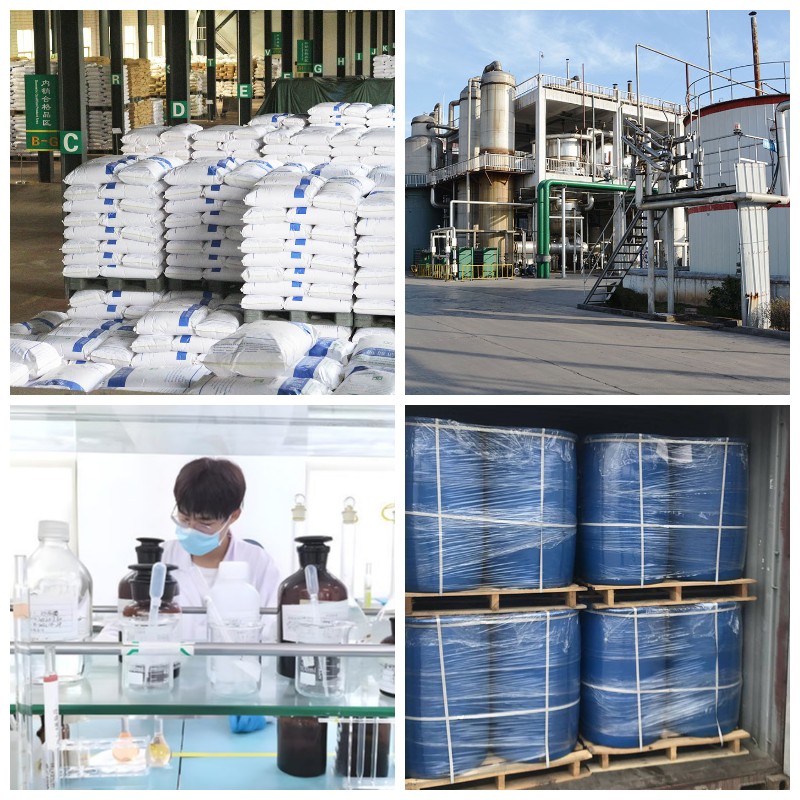
Fast delivery time
Inventory 2-3 working days New production 7-10 working days