Español
 العربية
 Francés
 Русский
 Português
 Deutsch
 Italiano
 Kazakh
 Uzbek
Uzbek

Niacinamide Industry Deep Dive: From Skincare "All-Rounder" to Cross-Sector Health Ingredient
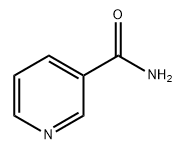
Niacinamide (a form of Vitamin B3) is having a moment. This star ingredient, already immensely popular in skincare for years, is rapidly expanding its application boundaries into functional food, healthcare, and animal nutrition. This expansion is driving continuous upgrades across the value chain, demonstrating strong market resilience and innovative vitality.
I. Skincare Market: Efficacy Deepening and Formulation Innovation
As a core active ingredient in skincare, niacinamide's application has moved beyond a singular focus on "brightening" into a new era of "multi-functional" skincare.
Claims Shift Towards Precision and Combination: Leading brands no longer focus solely on niacinamide's brightening effects. Instead, they prominently promote its synergistic benefits in strengthening the skin barrier, improving the appearance of pores, regulating sebum production, and anti-glycation. Research indicates niacinamide can boost ceramide synthesis in the skin, which is crucial for repairing a compromised barrier. Recently, several international cosmetic conglomerates (e.g., L'Oréal, Procter & Gamble) have launched high-end products combining niacinamide with peptides, retinoid derivatives, or specific prebiotics, aiming to offer comprehensive solutions for anti-aging and repair.
High Purity & Stability as Competitive Barriers: As consumer knowledge of ingredients deepens, the purity of cosmetic-grade niacinamide (typically ≥99.5%) and its stability within formulations have become key criteria for brand owners selecting suppliers. To minimize the risk of skin irritation from residual nicotinic acid and ensure ingredient efficacy throughout shelf life, leading raw material suppliers (e.g., DSM, Lonza, and domestic leaders like Zhejiang Medicine, Porton Pharma) continuously refine their production processes. Recently, some domestic companies announced the successful development of an "ultra-low nicotinic acid" specification based on pharmaceutical-grade niacinamide, tailored for sensitive skin, which has received positive market feedback.
II. Health Industry: Value Leap from "Supplementation" to "Intervention"
As a precursor to NAD+ (coenzyme I), niacinamide's core physiological roles in cellular energy metabolism and DNA repair are being increasingly elucidated, unlocking broader applications in health.
Hot Growth in Functional Foods & Nutraceuticals: Leveraging its scientific basis for supporting cellular health and energy metabolism, niacinamide has become a sought-after ingredient in ingestible beauty (e.g., "beauty-from-within") and emerging health products (e.g., for metabolic health and healthy aging). Standalone niacinamide supplements or combinations with ingredients like resveratrol and quercetin are appearing on the market. Crucially, product development must adhere to regulatory limits on daily intake (e.g., as a nutritional fortifier in China).
Medical Health Applications Draw Attention: Cutting-edge research is exploring the potential applications of high-dose niacinamide (under medical guidance) in specific health areas, such as photodamage protection and adjunctive management of certain autoimmune skin conditions. While still in the research phase, these findings provide a long-term scientific narrative for niacinamide's potential transition from a nutrient supplement to a higher-order "health intervention," attracting attention from academia and industry.
III. Supply Chain & Market: China's Evolution from "Manufacturing" to "Quality-Making"
China is the world's largest producer and supplier of niacinamide and is currently in a critical phase of transitioning from capacity output to technological and brand upgrading.
Concentrated Supply, Significant Cost Advantage: Global niacinamide production capacity is highly concentrated in China, with key producers including Zhejiang Medicine, Brother Pharma, Porton Pharma, and DSM. Leveraging a complete chemical industry chain and economies of scale, China holds a significant advantage in cost and supply stability in the international market.
Competitive Focus Shifts to Quality & Technical Service: Current competition extends beyond price. Downstream brands, especially in high-end skincare and supplements, demand higher standards for raw material traceability, batch-to-batch consistency, comprehensive compliance documentation (e.g., GMP, ISO22716 certification), and customized application solutions. Leading domestic companies are increasing investments to establish internationally aligned quality systems and build professional technical service teams, shifting from "selling a product" to "providing value."
Challenges and Opportunities: The industry faces challenges including price volatility of key raw material 3-methylpyridine and increasingly stringent global environmental regulations. However, a significant opportunity lies in continuous R&D into synthesis technologies like biosynthetic (enzymatic) routes. By doing so, Chinese companies can potentially build new competitive advantages in green production and higher-quality ingredients, enabling deeper participation in the international high-end market.
Outlook: A Multi-Dimensional Future for One Ingredient
The future development of niacinamide will be multi-faceted:
Cross-Boundary Application Integration: The dual-track model of "topical for skin, oral for health" will mature, potentially giving rise to more integrated product concepts addressing both skin and systemic wellness.
Deepening Scientific Backing: Continued research into its precise mechanisms of action at different concentrations and within various formulations will provide a more solid scientific basis for product innovation, moving the industry beyond vague claims.
Deep Value Segmentation: The market will further differentiate into multiple value tiers: "commodity-grade" for basic needs, "cosmetic-grade" for high-end skincare, "food/pharmaceutical-grade" for strict regulatory compliance, and "high-purity reagent-grade" for advanced research.
In summary, niacinamide is evolving from a successful skincare ingredient into a cross-sector value carrier connecting beauty, health, and science. Its industry upgrade path serves as a vivid case study for how Chinese ingredient companies can leverage technological innovation and quality enhancement to secure a more advantageous position in the global value chain.
- Previous : Global 1,3-Dimethylurea Market Enters a Golden Era of Development: Driven by the Upgrading of Pharmaceutical & Pesticide Sectors and New Material Innovation, China's Fine Chemical Technology Leads the Track
- Next : Aniline Market Dynamics: MDI Demand Under Pressure, Green Tech and High-End Applications Emerge as New Focus