Español
 العربية
 Francés
 Русский
 Português
 Deutsch
 Italiano
 Kazakh
 Uzbek
Uzbek

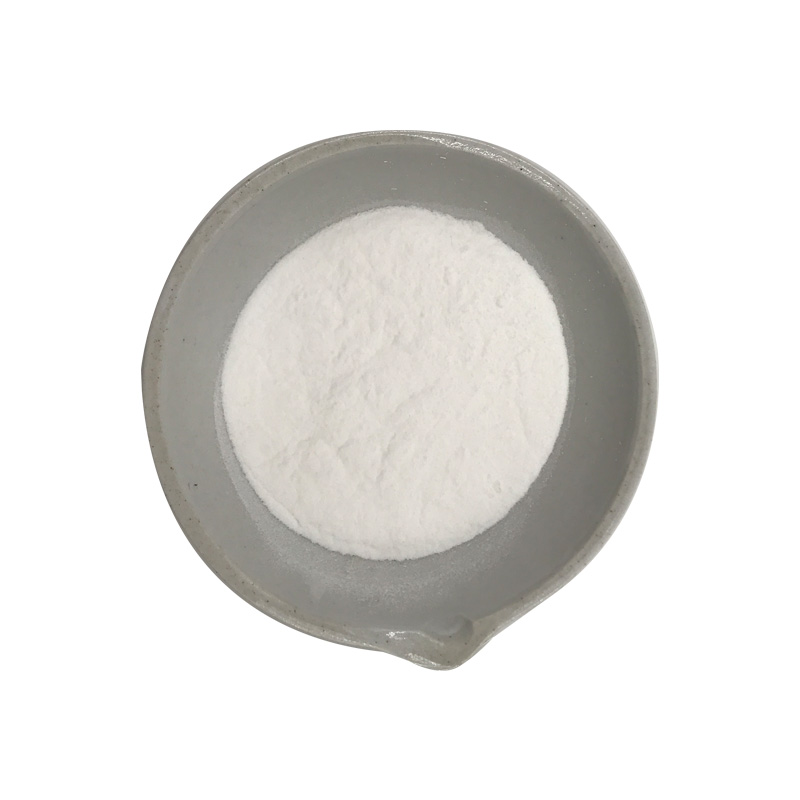
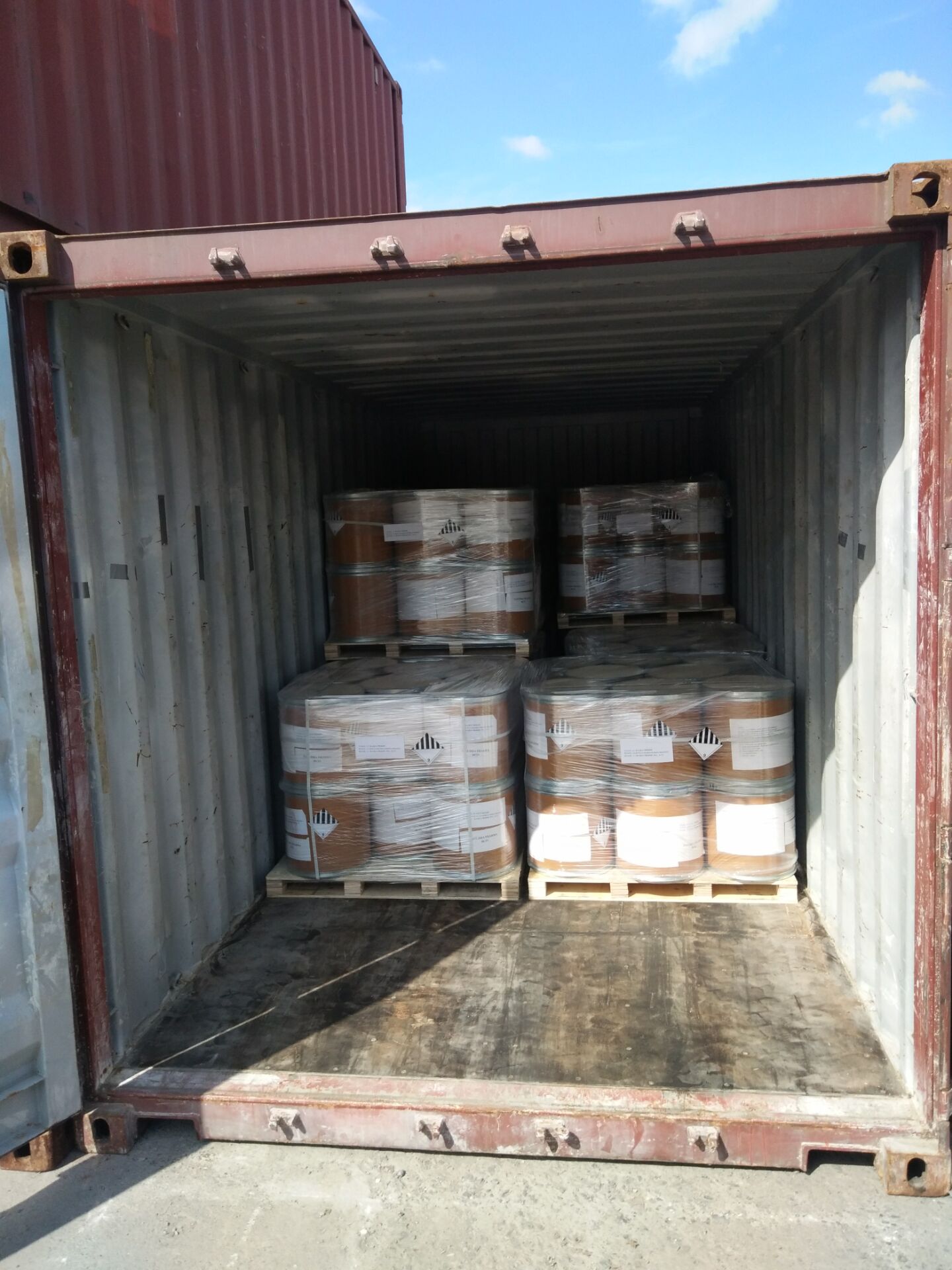
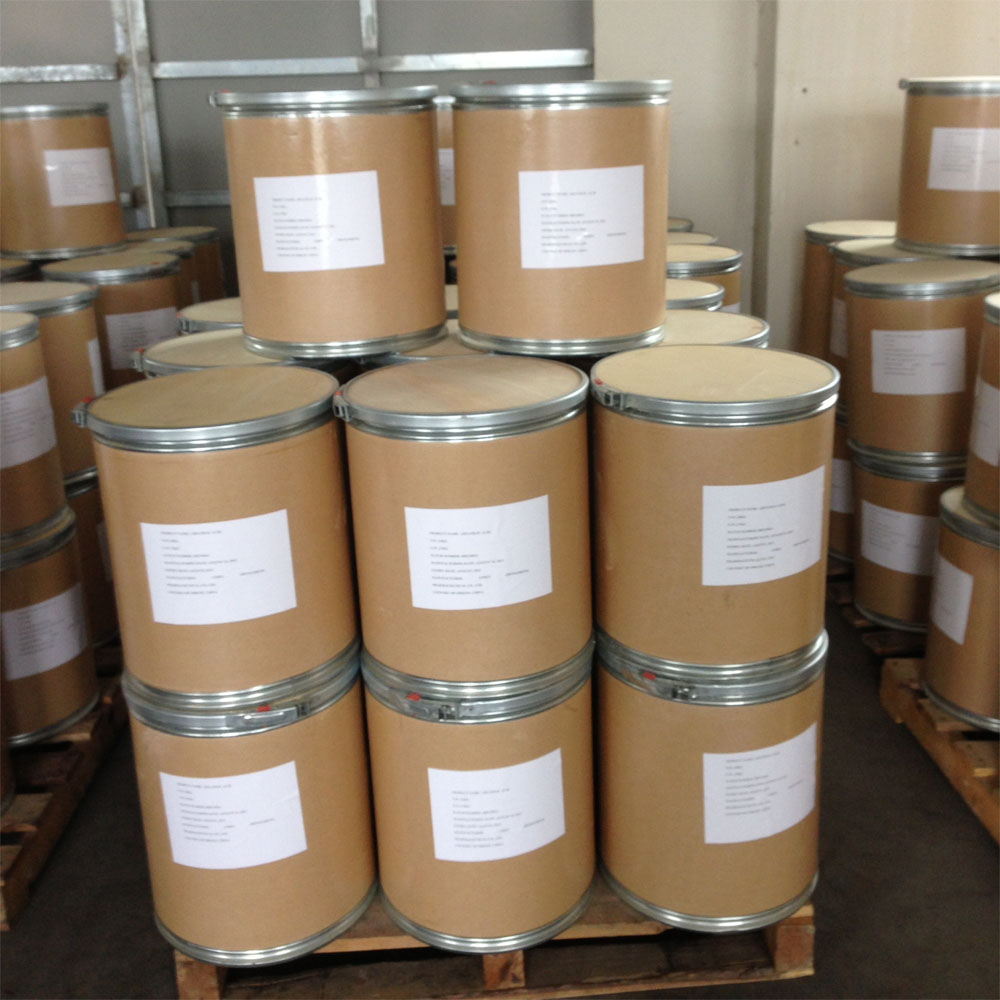
POLYALUMINUM CHLORIDE CAS#101707-17-9
Poly Aluminum Chloride, abbreviated as PAC, is an inorganic polymer coagulant. It is a high molecular weight, highly charged inorganic polymer water treatment chemical produced through the bridging action of hydroxide ions and the polymerization of polyvalent anions. Solid PAC products offer advantages such as high adsorption activity, short clarification and sedimentation time, a wide adaptable pH range, no need for coagulant aids, and minimal influence from water temperature. They are widely used in the purification of drinking water and industrial water, urban sewage treatment, industrial wastewater and sludge treatment, and the recovery of certain solids from wastewater. Furthermore, for certain industrially challenging wastewater streams, PAC can serve as a base material. By incorporating other chemical agents to formulate composite PAC, surprisingly effective results in wastewater treatment can be achieved.
Product Applications of POLYALUMINUM CHLORIDE CAS#101707-17-9
1. Treatment of Oily Wastewater
Oily wastewater primarily refers to the substantial produced water generated during crude oil extraction in oil fields, oil-containing wastewater discharged by refineries and petrochemical plants, as well as oily wastewater from cleaning tankers and vehicles. The treatment of oily wastewater mainly employs methods such as oil separation and sedimentation, air flotation, and biological processes. Using PAC in conjunction with modified cationic polyacrylamide for coagulation, sedimentation, and filtration treatment of oily wastewater yields excellent results. The relative molecular weight of the modified cationic polyacrylamide should not be too high, and it must readily complex with PAC to achieve the desired effect.
2. Treatment of Papermaking Wastewater
The papermaking industry discharges large volumes of wastewater, with intermediate-stage water constituting a significant portion. Furthermore, black liquor from many paper mills, after pretreatment (anaerobic digestion, strong acid treatment, cellulose separation, neutralization, etc.), is often mixed with intermediate-stage water for combined treatment.
3. Application in Laundry Wastewater Treatment
Laundry wastewater contains substantial amounts of surfactants. Surfactants interact with oil stains and dust particles, forming colloidal particles with a negative charge that can exist relatively stably in water. Adding PAC to laundry wastewater generates a large number of cations carrying positive charges and polynuclear, highly charged complex ions formed through hydroxyl bridging. These exhibit strong charge neutralization adsorption capacity and compression of the electric double layer towards the surface charge of suspended colloidal particles, leading to destabilization of the colloidal particles. Finally, the highly polymerized hydroxides formed adsorb, precipitate, and sweep the pollutants, separating them from the water body.
4. Application in Dyeing Wastewater Treatment
Dyeing wastewater typically has high COD, color intensity, and pH. Chemical coagulation is a common method for its treatment. Although PAC offers good coagulation performance and requires a low dosage, its ability to neutralize the high alkalinity of dyeing wastewater is poor, limiting its application. The hydrolysis of the traditional coagulant Al₂(SO₄)₃ produces H⁺ ions, which can neutralize the alkali in dyeing wastewater, giving it a strong alkalinity neutralization capacity. Research has proven that using these two coagulants in combination, leveraging their complementary advantages and the synergistic effect of the common ion effect, can reduce treatment costs while improving the treatment effectiveness for dyeing wastewater.
5. Application in Machining Wastewater Treatment
Emulsified fluids are commonly used in machining processes as coolants, lubricants, cleaners, and rust inhibitors to improve product quality. During use, emulsified fluids are subjected to bacteria, microorganisms, high temperatures, selective adsorption by metal abrasives, etc., gradually turning from milky white to grayish-black, becoming putrid, deteriorating, and developing odors.