Español
 العربية
 Francés
 Русский
 Português
 Deutsch
 Italiano
 Kazakh
 Uzbek
Uzbek

Lithium carbonate CAS# 554-13-2
CAS Number: 554-13-2
Chemical Formula: IKO3
Synonyms:
CP 15467-61
Carbonic acid lithium salt (Li2CO3)
Carbolithium
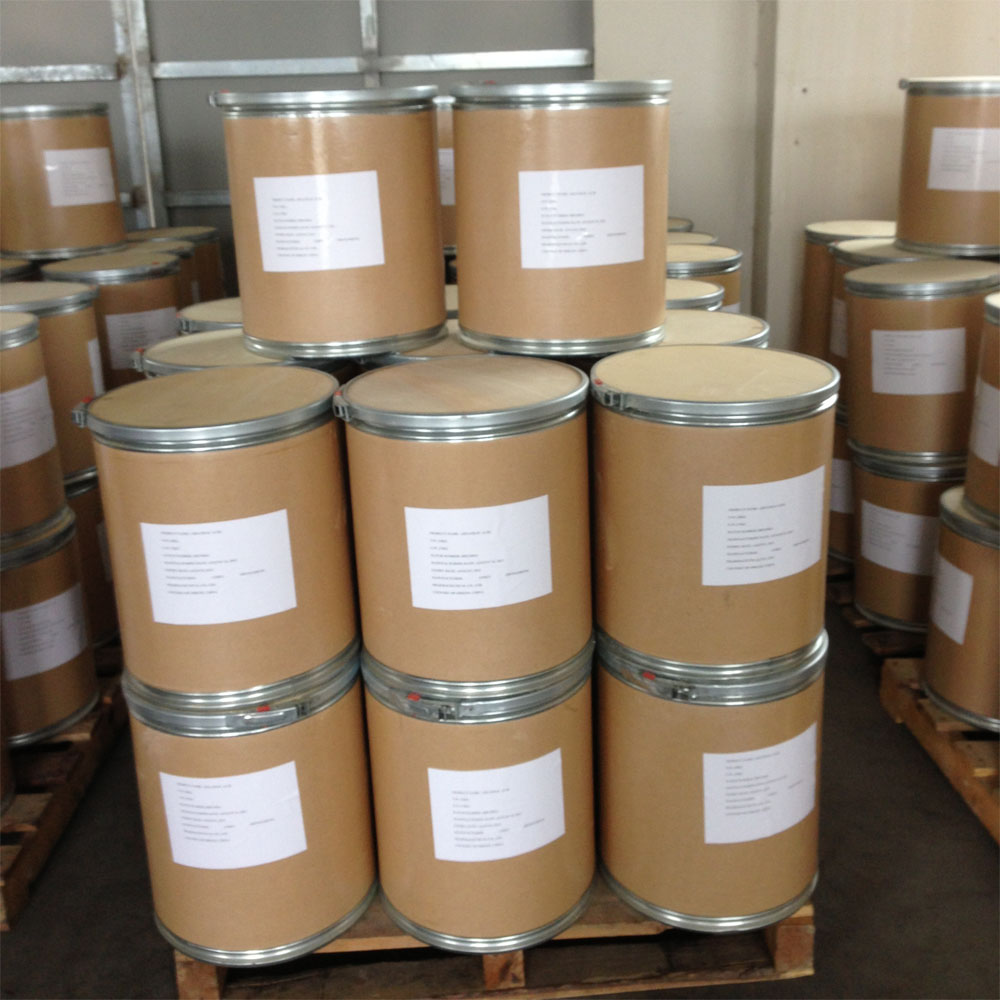
MOQ (Minimum Order Quantity): 1 FCL (Full Container Load)
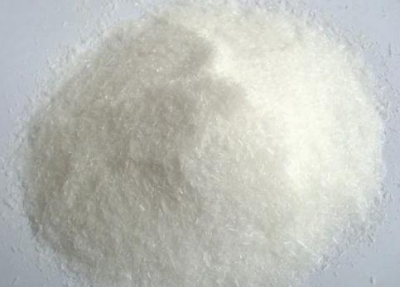
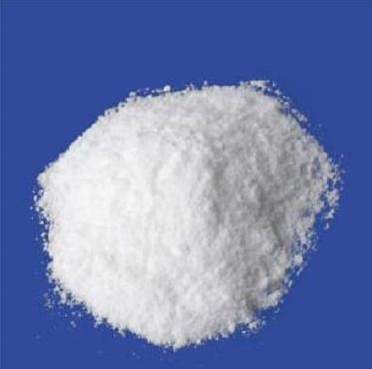
Appearance: White Powder
Lithium carbonate CAS#554-13-2
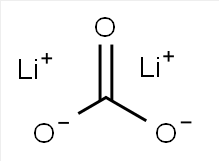
Lithium carbonate (molecular structure is Li2CO3, English name is lithium carbonate) as a colorless monoclinic crystal or white powder. Density is 2.11. Melting point is 618 ℃. Without deliquescence, it is stable in the air. Low solubility in water, the solubility decreases with increasing temperature. Solubility in cold water is greater than hot water. It is Soluble in dilute acid, insoluble in alcohol and acetone. Carbon dioxide is introduced into the aqueous suspension of lithium carbonate, lithium carbonate is converted to lithium acid carbonate and dissolved. If the solution of lithium acid carbonate is heated and then it releases carbon dioxide and precipitates lithium carbonate. The nature of the lithium carbonate may be used to remove impurities from lithium carbonate. Since lithium ion has a strong polarizability, thus thermal stability of lithium carbonate is worse than other alkali metal carbonate, when heated to above the melting point, it will decompose to produce carbon dioxide and lithium oxide. Lithium carbonate is a white monoclinic crystalline solid. Typically for carbonates, lithium carbonate reacts with acids stronger than carbon dioxide or carbonic acid to yield the lithium salt of the acid and carbon dioxide. The reactions may be carried out in a solution, as an aqueous slurry, or, less effectively, with solid lithium carbonate.
Lithium carbonate exhibits a low water solubility for an alkali metal carbonate. The solubility decreases with increasing temperature. It is not hygroscopic and is generally stable when exposed to the atmosphere. In fact, it is the normal end compound encountered when many basic lithium compounds are exposed to the atmosphere. Lithium carbonate may be dissolved in water by conversion to the hydrogen carbonate. Releasing carbon dioxide by heating the solution of lithium hydrogen carbonate causes reprecipitation of the lithium carbonate.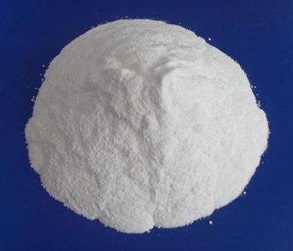
Lithium carbonate Chemical Properties |
Melting point | 720 °C |
Boiling point | 1342 °C(lit.) |
density | 2.11 g/mL at 25 °C |
bulk density | 250kg/m3 |
Fp | 1310°C |
storage temp. | Store at +5°C to +30°C. |
solubility | 13g/l |
pka | pKa 6.38 (Uncertain);10.25 (Uncertain) |
form | wire |
Specific Gravity | 2.11 |
color | White |
PH | 10-11 (5g/l, H2O, 20℃) |
Flame Color | Blue |
Odor | odorless |
Water Solubility | 13 g/L (20 ºC) |
Merck | 14,5527 |
Solubility Product Constant (Ksp) | pKsp: 1.6 |
BRN | 3999191 |
BCS Class | 1 |
Cosmetics Ingredients Functions | BUFFERING |
InChIKey | XGZVUEUWXADBQD-UHFFFAOYSA-L |
LogP | -0.809 (est) |
CAS DataBase Reference | 554-13-2(CAS DataBase Reference) |
NIST Chemistry Reference | Lithium carbonate(554-13-2) |
EPA Substance Registry System | Lithium carbonate (554-13-2) |
Safety Information |
Hazard Codes | Xn,C,F |
Risk Statements | 36/38-41-36/37/38-22-36-34-20/21/22-15-14-11 |
Safety Statements | 8-43-45-37/39-26-36/37-24/25-36/37/39-16-7/8-3/7/9 |
WGK Germany | 2 |
RTECS | OJ5800000 |
F | 10 |
TSCA | TSCA listed |
HS Code | 28369100 |
Hazardous Substances Data | 554-13-2(Hazardous Substances Data) |
Toxicity | LD50 orally in rats: 0.71 g/kg (Smyth) |
Product Application of Lithium carbonate CAS#554-13-2
ithium carbonate: A white solid,Li2CO3; r.d. 2.11; m.p. 723°C; decomposesabove 1310°C. It is producedcommercially by treating the ore with sulphuric acid at 250°C andleaching the product to give a solutionof lithium sulphate. The carbonateis then obtained by precipitationwith sodium carbonate solution.Lithium carbonate is used in the preventionand treatment of manicdepressivedisorders. It is also usedindustrially in ceramic glazes.
Factory and Equipment Show
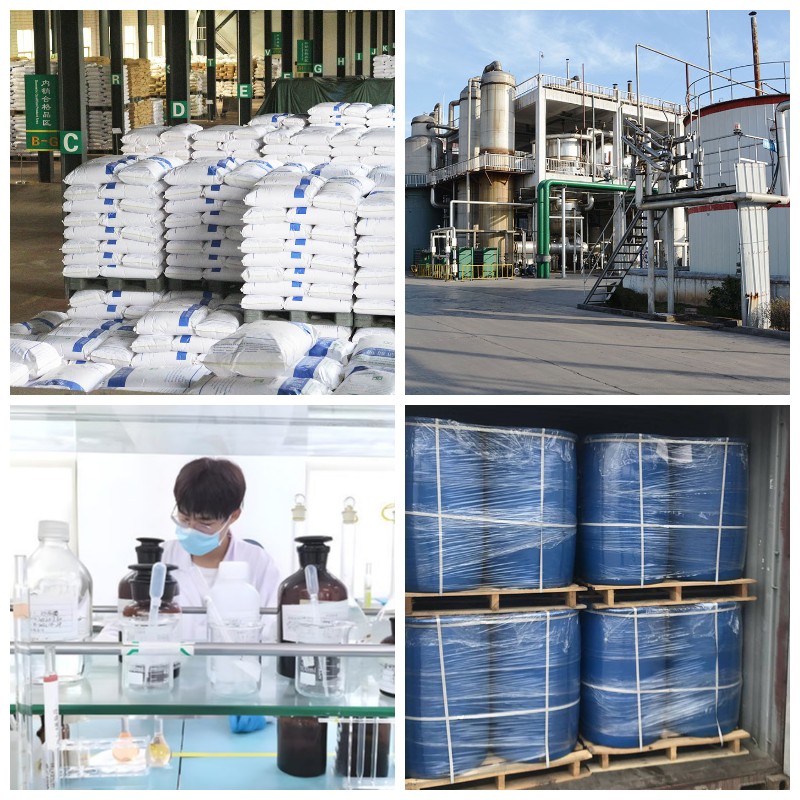
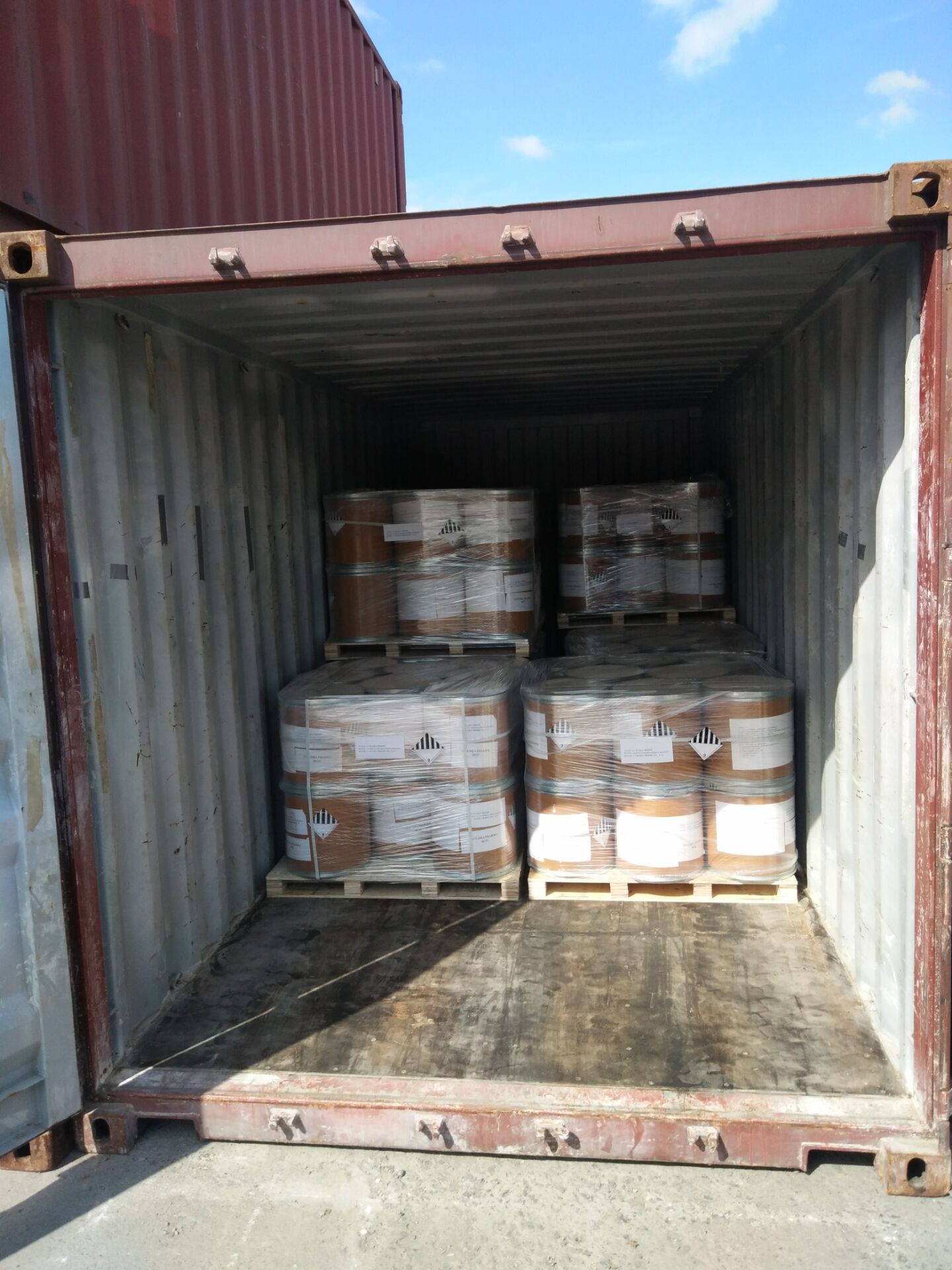
Fast delivery time
Inventory 2-3 working days New production 7-10 working days