Español
 العربية
 Francés
 Русский
 Português
 Deutsch
 Italiano
 Kazakh
 Uzbek
Uzbek

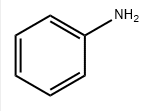
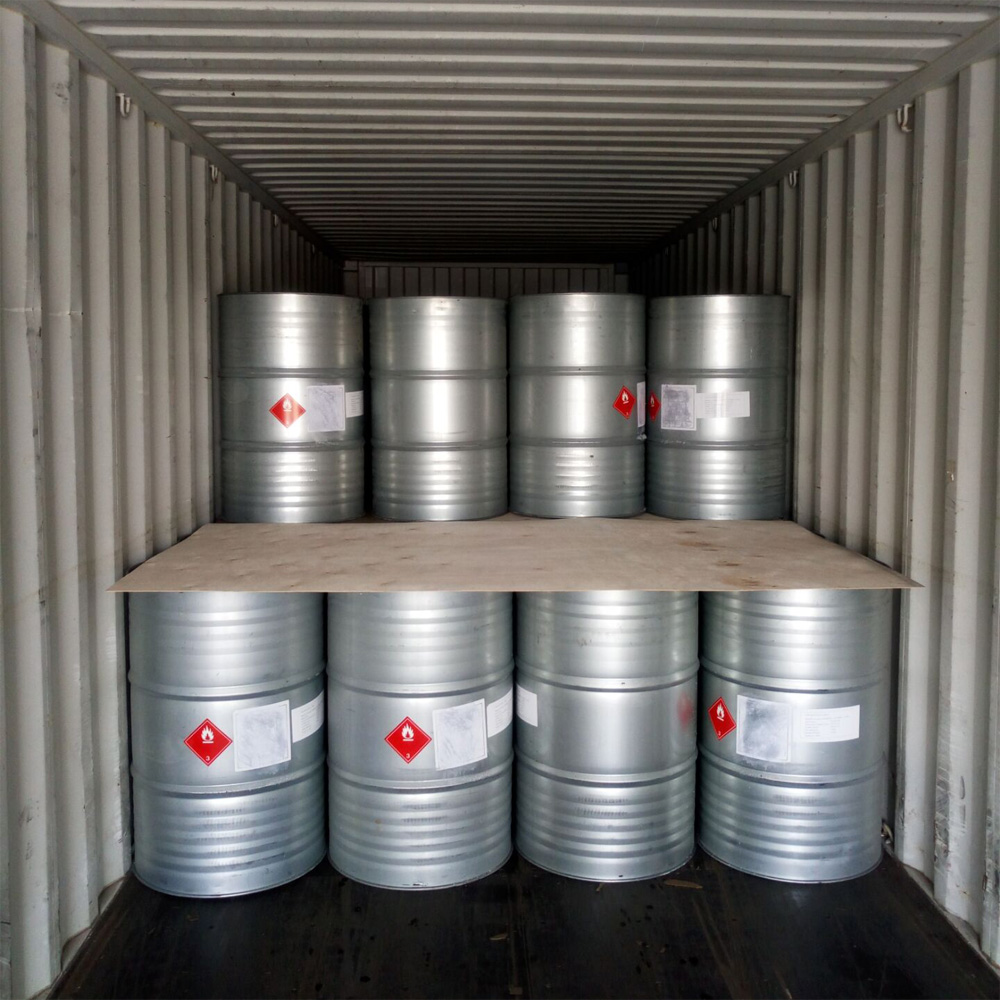
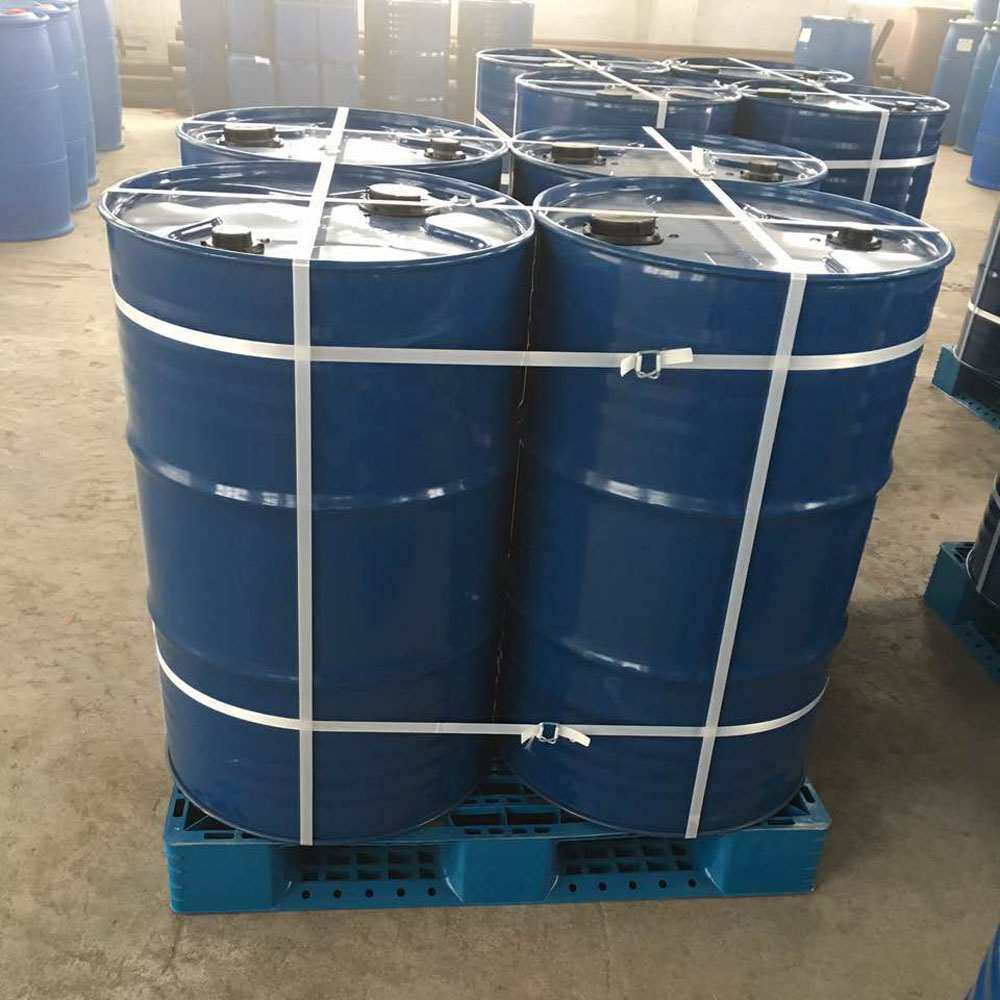
Aniline CAS#62-53-3
CAS Number: 62-53-3
Chemical Formula: C6H7N
Synonyms:
ai3-03053
amino-benzen
Aminophen
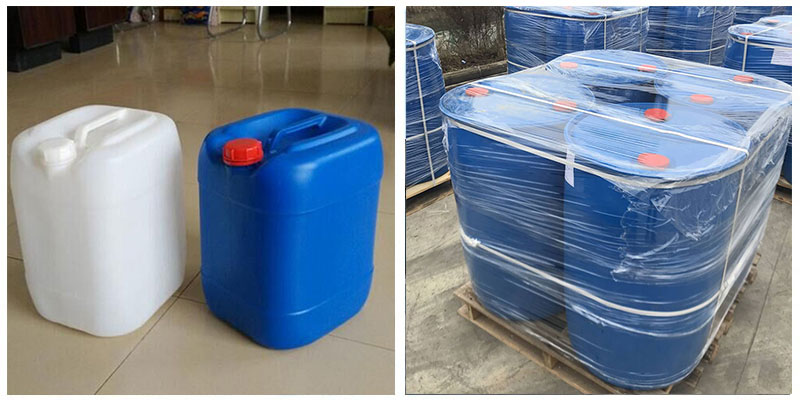
MOQ (Minimum Order Quantity): 1 FCL (Full Container Load)
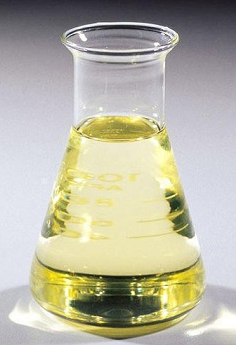
Appearance: Yellow Liquid
Aniline is the simplest primary aromatic amine and a compound formed by the substitution of a hydrogen atom in the benzene molecule with an amino group. It is colorless oil like flammable liquid with strong odor. When heated to 370 C, it is slightly soluble in water and soluble in ethanol, ether, chloroform and other organic solvents. It becomes brown in the air or under the sun. It can be distilled by steam. A small amount of zinc powder is added to prevent oxidation when it is distilled. The purified aniline can be added 10 ~ 15ppm NaBH4 to prevent oxidation deterioration. The solution of aniline is alkaline.
It is easy to produce salt when it reacts with acid. The hydrogen atoms on its amino groups can be substituted by alkyl or acyl groups to produce second or third grade aniline and acyl aniline. When substitution reaction occurs, the products of ortho and para substituted products are mainly produced. It reacts with nitrite to form diazonium salts, which can be used to produce a series of benzene derivatives and azo compounds.
| Aniline Chemical Properties |
| Melting point | -6 °C (lit.) |
| Boiling point | 184 °C (lit.) |
| density | 1.022 g/mL at 25 °C (lit.) |
| vapor density | 3.22 (185 °C, vs air) |
| vapor pressure | 0.7 mm Hg ( 25 °C) |
| refractive index | n |
| Fp | 76 °C |
| storage temp. | 2-8°C |
| solubility | water: soluble |
| pka | 4.63(at 25℃) |
| form | Liquid |
| color | APHA: ≤250 |
| Specific Gravity | 1.021 |
| Relative polarity | 0.42 |
| Odor | Sweet, amine-like odor detectable at 0.6 to 10 ppm |
| PH | 8.8 (36g/l, H2O, 20℃) |
| PH Range | 8.1 |
| explosive limit | 1.2-11%(V) |
| Water Solubility | 36 g/L (20 ºC) |
| Merck | 14,659 |
| BRN | 605631 |
| Henry's Law Constant | 1.91 at 25 °C (thermodynamic method-GC/UV spectrophotometry, Altschuh et al., 1999) |
| Dielectric constant | 7.8(0℃) |
| Exposure limits | TLV-TWA skin 2 ppm (~8 mg/m3) (ACGIH), 5 ppm (~19 mg/m3) (MSHA, OSHA, and NIOSH); IDLH 100 ppm (NIOSH). |
| Stability: | Stable. Incompatible with oxidizing agents, bases, acids, iron and iron salts, zinc, aluminium. Light sensitive. Combustible. |
| LogP | 0.900 |
| Surface tension | 47.9mN/m at 298.15K |
| CAS DataBase Reference | 62-53-3(CAS DataBase Reference) |
| IARC | 2A (Vol. 27, Sup 7, 127) |
| NIST Chemistry Reference | Aniline(62-53-3) |
| EPA Substance Registry System | Aniline (62-53-3) |
| Safety Information |
| Hazard Codes | T,N,F |
| Risk Statements | 23/24/25-40-41-43-48/23/24/25-50-68-48/20/21/22-39/23/24/25-11 |
| Safety Statements | 26-27-36/37/39-45-46-61-63-36/37-16 |
| RIDADR | UN 1547 6.1/PG 2 |
| OEL | TWA: None ppm |
| WGK Germany | 2 |
| RTECS | BW6650000 |
| F | 8-9 |
| Autoignition Temperature | 615 °C |
| TSCA | Yes |
| HS Code | 2921 41 00 |
| HazardClass | 6.1 |
| PackingGroup | II |
| Hazardous Substances Data | 62-53-3(Hazardous Substances Data) |
| Toxicity | LD50 orally in rats: 0.44 g/kg (Jacobson) |
| IDLA | 100 ppm |
Product Application of Aniline CAS#62-53-3
Aniline is an important industrial chemical for many decades. Currently, it is most widely used for the manufacture of polyurethanes and rubber, with lesser amounts consumed in the production of pesticides (herbicides, fungicides, insecticides, animal repellants), defoliants, dyes, antioxidants, antidegradants, and vulcanization accelerators. It is also an ingredient of some household products, such as polishes (stove and shoe), paints, varnishes, and marking inks.
Factory and Equipment Show
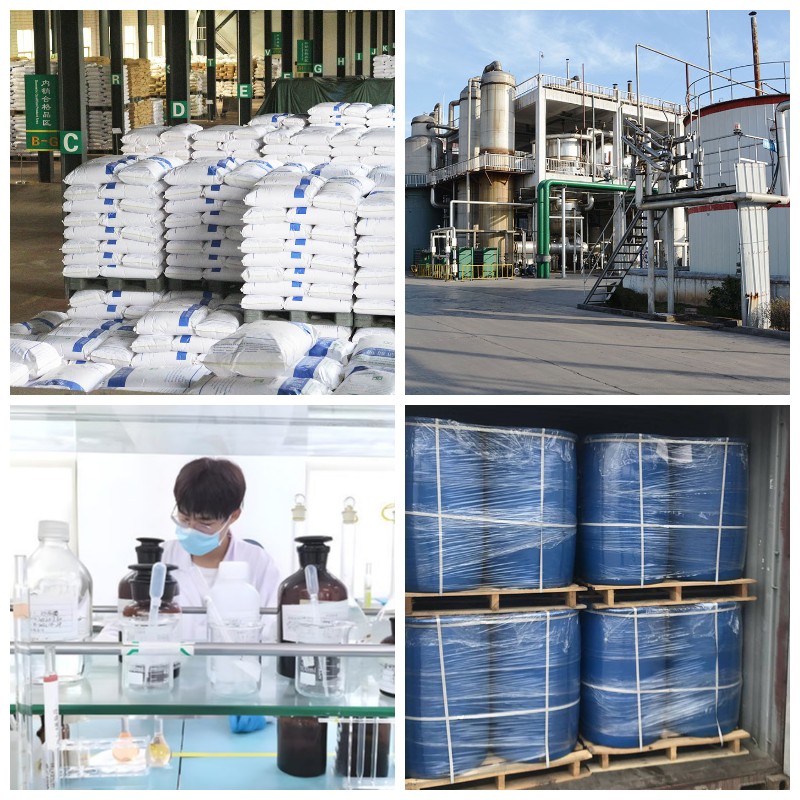
Fast delivery time
Inventory 2-3 working days New production 7-10 working days