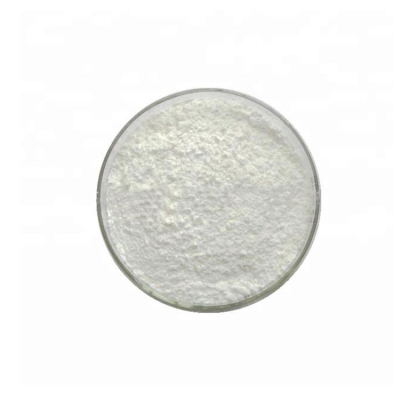
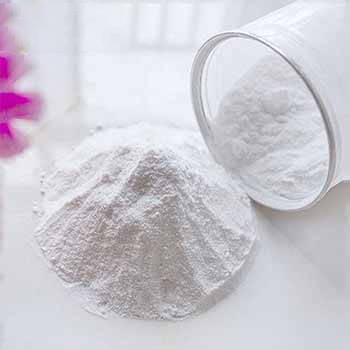
At a critical juncture where the global nylon 66 industry chain is seeking alternatives to fossil feedstocks, the competition among green production technologies for its core monomer, adipic acid, has intensified. Recently, a domestic biotechnology company announced the successful completion of a kiloton-scale pilot verification for fully bio-based adipic acid produced via direct fermentation from renewable sugars, which has also obtained International Sustainability & Carbon Certification (ISCC) PLUS. This technology abandons the traditional "high-pollution, high-energy-consumption" nitric acid oxidation process starting from benzene and, for the first time, approaches the cost and purity of petroleum-based products, potentially reshaping the global green supply chain for this foundational chemical with an annual output value exceeding $30 billion.
1. Technical Milestone: Metabolic Pathway Reconstruction and Fermentation Process Breakthrough
The core of this pilot success lies in "reprogramming" the microbial factory and achieving scale-up control:
"Sugar-to-Acid" Direct Fermentation Pathway
Pathway Reconstruction: Systematic metabolic engineering of E. coli or yeast chassis cells constructed a novel, highly efficient pathway for the direct synthesis of adipic acid from glucose or xylose, bypassing the nitration step that generates the potent greenhouse gas N₂O in the traditional chemical route.
Key Breakthrough: By employing dynamic regulation and detoxification module design, the toxicity inhibition of the adipic acid precursor muconic acid on the microbial host was successfully resolved. The final concentration of adipic acid in the fermentation broth stabilized at >100 g/L, approaching the threshold for industrial economic viability.
Low-Energy Separation and Crystallization Technology
After membrane filtration and simulated moving bed chromatography separation of the fermentation broth, reactive crystallization technology is used to directly obtain high-purity crystals. Compared to the traditional process, energy consumption in the separation stage is reduced by 60%, with no discharge of nitrate-containing wastewater.
Product purity reaches ≥99.8%, with key impurities glutaric acid and succinic acid both below 100 ppm, fully meeting the fiber-grade standard for nylon 66 polymerization.
2. Sustainability Certification and Cost Competitiveness
The environmental and economic benefits of this technological route have received preliminary quantitative validation:
3. Industry Impact: Targeting Nylon 66 and Polyurethane Dual Sectors
Bio-based adipic acid is transitioning from a "concept product" to a "commercial off-the-shelf" option, with immediate impact:
4. Collaboration Model and Capacity Planning
To rapidly enter the market, the technology provider has adopted an open collaboration strategy:
Technology Licensing & Joint Venture Plant Construction: Partners with traditional chemical giants to rapidly scale up capacity using their existing infrastructure, with plans to build the first 100,000-ton commercial plant within three years.
Establishing a "Green Feedstock Club": Forms alliances with downstream leaders in nylon 66 and polyurethane to co-invest and secure long-term bio-based adipic acid capacity, sharing technology and market risks.
Regionalized Production Layout: Plans to build decentralized precursor fermentation bases in biomass-rich regions like Southeast Asia and North America, with centralized refining.
5. Verifiable Data and Industrialization Readiness
All claims are based on continuous operational data from the pilot plant:
Product Specifications: Purity, melting point, color, and other indicators fully comply with GB/T 29617-2013 and industry association fiber-grade standards.
Polymerization Testing: Verified by downstream customer labs, the nylon 66 salt and polymer synthesized from it show no difference in key indicators like relative viscosity and thermal stability compared to petroleum-based products.
Process Package Maturity: The basic process design package is complete, with key equipment selection using standard chemical industry equipment.
The success of this kiloton-scale pilot for bio-based adipic acid signifies that deep decarbonization of the nylon industry chain is transitioning from "optional" to "essential." It is not merely a technological breakthrough for a single product but potentially a lever for the green transformation of the entire polyamide and polyurethane industry, compelling global chemical giants to reassess the competitiveness of their vast traditional assets within the next decade and accelerating the strategic shift towards bio-manufacturing.

 Español
 العربية
 Francés
 Русский
 Português
 Deutsch
 Italiano
 Kazakh
 Uzbek
Uzbek