Español
 العربية
 Francés
 Русский
 Português
 Deutsch
 Italiano
 Kazakh
 Uzbek
Uzbek

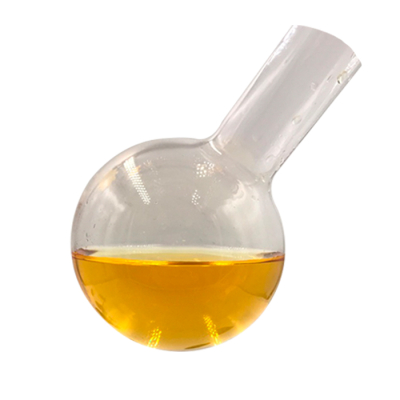
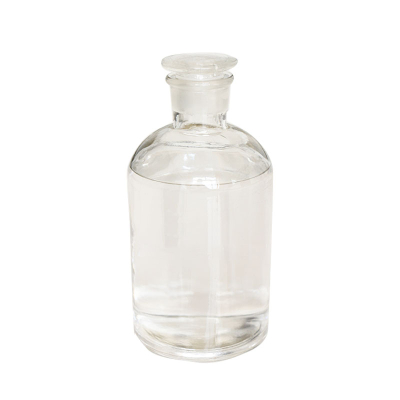
World's First Food-Contact Grade Eco-Glycerin Enters Mass Production, Secures Full EFSA Certification to Drive Sustainability Upgrade for FMCG and Food Packaging
News Body
At a pivotal moment in the global fast-moving consumer goods industry's green transition, a breakthrough in glycerin production has officially entered the industrialization phase. Today, a high-purity eco-glycerin, which has obtained full certification from the European Food Safety Authority for food contact materials, has commenced large-scale production. This product not only achieves technological innovation in low-temperature and low-carbon manufacturing but has also passed stringent sustainability certifications. It is poised to provide a high-performance and environmentally friendly core raw material solution for diverse sectors including personal care, food packaging, and pharmaceuticals.
1. Technical Milestones: Low-Temperature Transesterification and Precision Separation Technology
The core of this mass production lies in two patented innovative processes:
Low-Temperature Transesterification and Purification Process
Patented Process: Utilizes proprietary low-temperature catalysis technology, controlling the key reaction temperature at ≤50°C. This reduces comprehensive energy consumption by over 50% compared to traditional high-temperature and high-pressure processes.
Ultimate Purity: Through multi-stage molecular distillation and ion exchange technology, the content of the critical risk substance glycidyl esters is consistently controlled at ≤5 ppm (Test Method: GC-MS), far stricter than EU and pharmacopoeia guideline limits, meeting the most stringent requirements for food and pharmaceutical applications.
Dynamic Crystallization Separation Technology
This technology enables the highly efficient separation of specific components in glycerin from different sources, ensuring high batch-to-batch consistency of the final product. This lays a solid foundation for stable, high-end downstream formulation applications.

2. Sustainability Certifications and Full-Chain Traceability
The environmental credentials of this eco-glycerin are endorsed by international authoritative bodies:
EFSA (EU) 10/2011 | Granted full approval for use in detergents for food contact materials and packaging coating components. Migration testing meets the stringent limit of <0.01 mg/kg. |
ISCC PLUS | Achieves 100% mass balance traceability for biomass feedstock. All raw materials are sourced from certified sustainable plantations, eliminating deforestation-related risks. |
Carbon Trust Certification | Verified Product Carbon Footprint as low as 1.8 kg CO₂eq/kg, significantly lower than the industry average of 4.0 kg CO₂eq/kg. |
3. Industry Impact: Performance Enhancement and Cost Optimization
Third-party test reports indicate that this eco-glycerin surpasses traditional glycerin and common humectants like propylene glycol in several key application performances:
Hygroscopicity: At 30% relative humidity, its moisture retention efficiency is approximately 15% higher than that of traditional glycerin, providing longer-lasting formula hydration.
Compatibility: Exhibits excellent compatibility with anionic and amphoteric surfactants like SLES and betaine. It remains clear and transparent even in high-salinity formulations, solving the cloudiness issue often caused by traditional glycerin in high-active systems.
Downstream Benefits: In shampoo and hand wash formulations, due to its exceptional purity and stability, humectant dosage can be reduced by about 10-15%, while the need for some chelating agents can be eliminated. This is expected to save $150-200 per ton of finished product formulation.
4. Corporate Collaboration Case and Customized Solutions
A leading global FMCG group has successfully integrated this eco-glycerin into its premium skincare line. A joint technical whitepaper states:
"After replacing traditional polyols, the low-temperature stability of the formulation improved significantly, with no crystallization observed during storage at 5°C. Furthermore, the mildness index of the product in human skin patch tests was optimized by 20%. The group has included it in its 2024 core raw material procurement plan, with an annual purchase volume of 5,000 tonnes."
To meet diverse market demands, the manufacturer simultaneously launches enterprise-level solutions:
Customization Services: Provides glycerin products of different purity grades and specific organic certifications, supporting small-batch trial production.
Compliance Support: One-stop provision of full registration documentation for REACH, USP, EP, and Chinese Pharmacopoeia.
Market Program: New customers with initial orders exceeding 15 tonnes receive a comprehensive formulation compatibility test report; purchases of ISCC-certified batches qualify for a carbon credit-based price rebate.
5. Verifiable Data and Safety Assurance
All claims are based on publicly verifiable data:
Critical Substance Control: Glycidyl ester testing complies with the GB/T 13216.5 standard.
Biodegradability: OECD 301F testing shows a biodegradation rate >90% within 28 days.
Safety Data: Acute oral toxicity (rat) LD₅₀ > 10,000 mg/kg, classified as a non-hazardous substance according to the GHS standard.
The mass production of this food-contact grade eco-glycerin marks a new height in the safety and sustainable development of bio-based raw materials. It provides powerful core ingredient support for downstream brands responding to consumer demand for "clean," "transparent," and "eco-friendly" products.
- Previous : World's First Carbon-Neutral SLES Enters Mass Production: Sodium Lauryl Ether Sulfate (INCI) Gains EFSA Food-Contact Approval, Accelerating Sustainable FMCG Shift
- Next : World's First Low-Carbon Eco-Ethylene Glycol Enters Mass Production, Secures Full REACH Certification to Drive Sustainability Upgrade for Polyester Industry & Automotive Antifreeze Sector