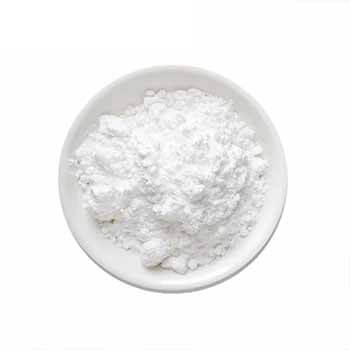
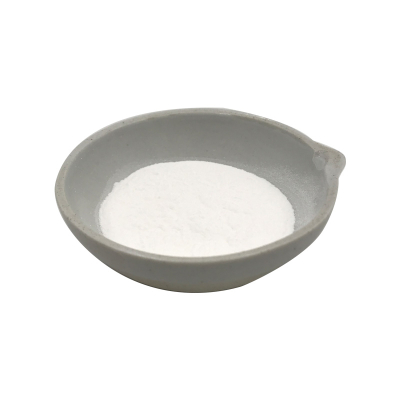
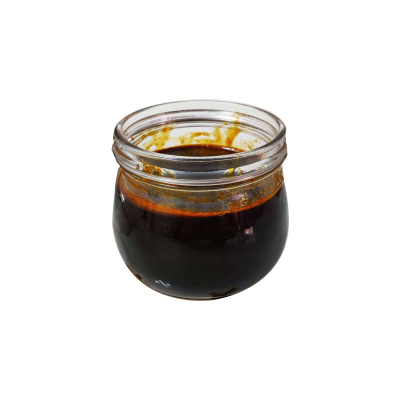
Against the backdrop of comprehensive bans on traditional phosphorus-containing detergent builders and the construction industry's search for more environmentally friendly water reducers, the multipurpose green chelating agent sodium gluconate is entering a period of strategic opportunity. Recently, a new-generation sodium gluconate, produced using non-food biomass feedstock and multi-strain coupled fermentation technology, has achieved scaled production. Its full lifecycle carbon footprint has been calculated as negative, and it has obtained International Sustainability & Carbon Certification (ISCC) PLUS. This product not only provides an efficient and biodegradable chelation solution for phosphate-free detergents but is also replacing some naphthalene-based and polycarboxylate products in the high-performance concrete admixture field due to its excellent retarding and dispersing properties.
1. Technical Milestone: Non-Food Feedstock Fermentation and Membrane Separation Purification
The core of this industrialization lies in completely eliminating dependence on food raw materials like corn and potatoes, achieving full-process green manufacturing:
Lignocellulosic Sugar Multi-Strain Coupled Fermentation
Feedstock Breakthrough: Uses mixed C5/C6 sugars obtained from the enzymatic hydrolysis of agricultural waste (e.g., rice/wheat straw, corncobs) as fermentation substrate. Through the synergistic fermentation of acclimatized Aspergillus niger and yeast strains, it efficiently converts traditionally hard-to-utilize pentoses like xylose into gluconic acid, increasing raw material carbon utilization by 35%.
Fermentation Intensification: Employs online sensors and dynamic feed control, raising the final concentration of sodium gluconate in the fermenter to ≥280 g/L and shortening the fermentation cycle to 28 hours, increasing production efficiency by approximately 40% compared to traditional processes.
Zero-Waste Membrane-Integrated Purification Process
After removing cell bodies via ceramic ultrafiltration membranes, the fermentation broth directly enters a continuous ion exchange and nanofiltration membrane desalination system, replacing the heavy concentration steps before traditional processes like activated carbon decolorization and evaporation crystallization.
This integrated process increases product yield to over 97% while achieving process water reuse rate >90% and generating no solid waste (e.g., spent activated carbon, exhausted resins). The final crystalline product purity stabilizes at ≥99.0%.
2. Sustainability Certifications and Carbon Footprint Advantage
The product's environmental credentials are backed by quantifiable, traceable authoritative endorsements:
3. Market Impact: Dual-Track Drive for Green Transformation in Detergent and Construction Industries
The unique properties of sodium gluconate are driving progress in two major sectors simultaneously:
4. Corporate Collaboration and Circular Economy Layout
The manufacturer has adopted an innovative model integrated with regional agricultural ecosystems:
"Straw-for-Product" Regional Cycle: Partners with large farms in major grain-producing regions to establish integrated satellite factories for straw collection, saccharification, and fermentation, supplying products to regional markets nearby and drastically reducing logistics carbon emissions.
"One-Stop" Solution Supply: Provides downstream ready-mix concrete plants or detergent manufacturers with customized compound masterbatches or ready-to-use liquid products, reducing their compounding complexity and storage costs.
Open Process Licensing: Offers technology packages to resource-rich enterprises in developing countries, promoting the global spread of green manufacturing for this product.
5. Verifiable Data and Application Performance
All claims are based on public standards and rigorous testing:
Product Standards: Purity, chelating power, pH, reducing substances, and other indicators comply with GB/T 23879-2021, FCC, and internal corporate standards.
Application Performance Testing: Chelating power determination follows ISO 6387; concrete performance testing follows standards like GB/T 50080 and GB/T 50081.
Safety Data: Classified as a non-toxic, non-irritating substance. Extensive toxicological data confirms its safety for use in food processing and cosmetics.
The breakthrough in the green manufacturing of sodium gluconate signifies that biotechnology can now transform the most common agricultural waste into high-performance industrial green chemicals. It has successfully transformed an "environmental burden" into "product added value." Not only does it provide economically viable green options for multiple downstream industries that are difficult to decarbonize, but it also explores a practical path for regional circular economy and industrial upgrading based on local biomass resources, demonstrating that the circular economy possesses robust vitality and competitiveness in the field of basic chemical raw materials.

 Español
 العربية
 Francés
 Русский
 Português
 Deutsch
 Italiano
 Kazakh
 Uzbek
Uzbek