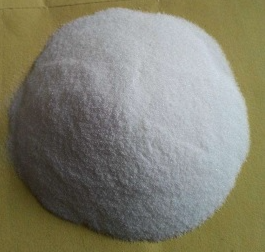
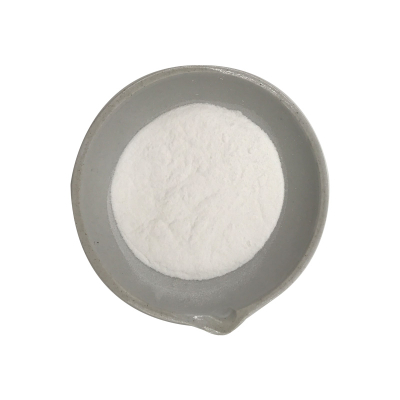
Long regarded as a fundamental energy source for life and a food sweetener, glucose is undergoing a profound identity shift. Driven by the waves of synthetic biology, green chemistry, and the circular economy, glucose is transforming from a final consumer product into a strategic renewable carbon source that powers the bio-manufacturing era and substitutes for traditional fossil feedstocks. This industry revolution, starting with "sugar," is redefining the future of multiple core sectors, including agriculture, chemicals, energy, and pharmaceuticals.
1. Upgraded Strategic Positioning: From "Kitchen Sugar Jar" to Core Hub of "Biorefining"
Glucose, the most abundant monosaccharide in nature, is essentially "storable solar energy" and "modular biological carbon." Traditionally produced mainly via starch hydrolysis from crops like corn, wheat, and cassava, glucose is now defined as a platform compound within the "biorefinery" paradigm.
Its core strategic value lies in this: using glucose as a fermentation substrate, "cell factories" (microorganisms) can, in theory, synthesize the vast majority of organic chemicals derived from petroleum. This pathway shifts the foundation of industrial production from non-renewable "black gold" (petroleum) to renewable "green gold" (biomass), achieving a fundamental leap from a linear to a circular economy. Therefore, ensuring a stable, economical, and sustainable glucose supply has become a critical consideration for national bioeconomic strategic security.
2. Core Driving Factors: Demand Surge Powered by Multi-Industry Convergence
The demand for glucose as an industrial raw material is being propelled by three powerful forces:
Policy-Mandated Drive: Under global "Dual Carbon" goals, regulations worldwide mandate increased renewable carbon content in plastics and chemicals. Bio-based polymers like PLA and PHA, using glucose as a feedstock, have become key solutions for directly replacing traditional plastics.
Market-Driven Choice: Consumer preference for "natural" and "green" products is pushing companies in home & personal care, pharmaceuticals, and food to actively seek bio-based raw materials to enhance brand value and product safety.
Disruptive Technological Breakthroughs: Advances in synthetic biology and enzyme engineering have made it economically feasible to design highly efficient "cell factories" that use glucose to produce high-value chemicals like 1,4-butanediol, succinic acid, and PHA at high yields.
3. Application Revolution: Boundless Possibilities Beyond Food and Pharma
The application frontier of glucose is expanding exponentially, forming four major emerging matrices:
Bio-Materials and Chemicals Matrix:
Bioplastics: As the sole starting material for Polylactic Acid (PLA), used in biodegradable packaging, fibers, and 3D printing materials.
Platform Chemicals: Fermentation production of ethanol, lactic acid, citric acid, gluconic acid, etc., further derivatized into hundreds of downstream products penetrating detergents, construction, electronics, and more.
Functional Materials: Production of hyaluronic acid, cadaverine, microbial flocculants, and other high-performance materials.
Green Energy and Fuels Matrix:
Fuel Ethanol: A traditional mainstay application, maintaining a solid role in energy security.
Advanced Biofuels: Production of Sustainable Aviation Fuel (SAF) and biobutanol, crucial for decarbonizing hard-to-abate sectors like aviation and heavy-duty trucking.
Future Food and Health Matrix:
Cultivated Meat/Dairy: Serves as the core nutrient source for in vitro animal cell proliferation, representing a new paradigm for future protein production.
High-Value Nutraceuticals: Fermentation production of rare sugars (e.g., allulose), functional oligosaccharides, microbial protein, etc.
Sustainable Agriculture and Environment Matrix:
Biostimulants and Fertilizers: Used as a fermentation substrate for microbial agents that promote crop growth and improve soil.
Environmental Remediation: Serves as a carbon source for bio-augmentation in wastewater treatment for enhanced nitrogen and phosphorus removal.
4. Industry Reshaping: Supply Chain Competition and Tech Innovation Game
The global glucose industry is evolving from a simple "Agriculture-Starch Sugar" model to a complex, integrated "Agriculture-Biotechnology-Chemicals" ecosystem. Competitive focus has shifted:
Supply Chain Security and Cost Competition: Stable raw material supply is paramount. Companies are extending upstream into starch production, even developing second-generation glucose production technologies from cellulosic or straw-based non-food biomass to reduce reliance on food crops.
Technology Innovation and Application Development Competition: Companies with strong capabilities in synthetic biology strain design and downstream product development can convert glucose into higher-value "molecules," thus commanding the high ground of the value chain.
Sustainability Certification and Standards Competition: Glucose with international sustainability certifications like ISCC PLUS (proving sustainable sourcing and carbon reduction benefits) has become a "passport" to high-end global markets.
Key challenges include: potential competition with food for first-generation feedstocks, the high cost of second-generation cellulosic sugar technology, and the yet-to-be-fully-established globally unified certification and carbon accounting systems for bio-based products.
5. Future Trends: Towards Synthetic Ecosystems and Precision Biomanufacturing
The future of the glucose industry will be defined by:
Feedstock Diversification and "Carbon-Negative" Sources: Technologies like microalgae carbon fixation or fermentation of industrial off-gases (e.g., CO₂) to produce sugar will open全新 feedstocks independent of agriculture, potentially enabling "carbon-negative" production.
"Smart Fermentation" and Process Intensification: Integrating AI and Process Analytical Technology (PAT) for real-time optimization and precise control of fermentation, pushing conversion efficiency and yield towards theoretical limits.
"One-Stop" Biorefinery Complexes: Future plants will be integrated biorefineries combining "biomass pretreatment - saccharification - parallel fermentation for multiple products - separation and purification" to maximize feedstock value.
Deep Integration with Policy and Financial Tools: Policy instruments like green credit, carbon border taxes, and mandatory procurement of bio-based products will become deeply coupled with the market competitiveness of glucose-derived products, accelerating industry expansion.
Ultimate Outlook: Glucose, one of the oldest known molecules, is being endowed with one of the most cutting-edge missions by modern technology. It is no longer merely a symbol of sweetness but a green chemical bridge connecting sunlight, air, water, and modern human industrial civilization. Mastering the entire chain from "photosynthesis" to "industrial fermentation" will be a key manifestation of a nation's core competitiveness in the bioeconomy era. With glucose as the cornerstone, a grand blueprint for "rebuilding the world with sugar" is steadily unfolding.

 Español
 العربية
 Francés
 Русский
 Português
 Deutsch
 Italiano
 Kazakh
 Uzbek
Uzbek