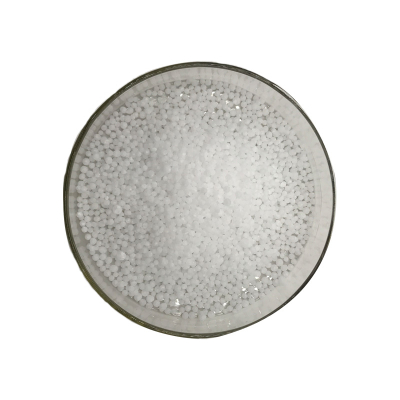
The global sophorolipids market is projected to reach $564 million in 2025, up from $466 million in 2024, representing a 21.2% year-on-year growth driven by breakthroughs in fermentation technology and surging demand for sustainable surfactants across industries. This biosurfactant, derived from microbial fermentation, is rapidly replacing petrochemical-based alternatives due to its biodegradability, low toxicity, and multifunctional applications. Key growth engines include:
Policy Mandates: EU’s REACH updates and China’s Bioeconomy Development Plan enforce stricter environmental standards, accelerating adoption.
Technological Leaps: Ultrasonic separation and solid-state fermentation (SSF) using waste oils slash production costs by 31% while boosting yields to 477 g/L.
Diverse Applications: From lithium-ion battery manufacturing (impurity reduction to ≤10 μg/m²) to anticancer drug delivery (57% tumor reduction in murine models), sophorolipids are disrupting high-value sectors.
The market’s exponential growth is underpinned by regional disparities in regulatory rigor and technological adoption:
North America dominates with 34% market share, driven by stringent safety standards and consumer preference for natural personal care products. The U.S. market alone is valued at $136 million in 2024 and projected to grow at 5.6% CAGR through 2030.
Asia-Pacific emerges as the fastest-growing region (9.1% CAGR), led by China’s ¥15.4–18.2 billion market by 2030 fueled by government carbon neutrality targets and export demand (46% annual growth since 2022).
Europe maintains a 28% share, leveraging circular economy policies. Germany’s market grows at 3.7% CAGR, while the EU’s ban on nonylphenol ethoxylates (NPEs) under REACH creates a €450 million opportunity for biosurfactants.
Innovations in fermentation and purification are democratizing sophorolipid accessibility:
Ultrasound-Assisted Separation: East China University of Science and Technology’s novel system enhances sedimentation rates by 46.9–485.4%, achieving 2.15 g/L productivity and 68.2% cell loss reduction in semi-continuous fermentation.
Waste-to-Resource: Universitat Autònoma de Barcelona’s SSF process uses corn oil filtration residues to double yields (0.743 g/g fat) while aligning with circular economy goals.
Genetic Engineering: Engineered Starmerella bombicola strains achieve 44 g/L yields using agricultural residues, reducing reliance on pure substrates.
Sophorolipids are penetrating sectors demanding precision and sustainability:
Acidic sophorolipid-based cleaners in lithium-ion battery production ensure ≤10 μg/m² impurity levels, extending electrode lifespan by 15%.
Patent-pending sophorolipid nanoparticles (SLNPs) loaded with doxorubicin demonstrate 57% tumor volume reduction in preclinical models, outperforming conventional chemotherapeutics.
Liquid formulations in crop protection reduce pesticide usage by 30% while enhancing nutrient uptake, compliant with EU organic farming regulations.
Global players are racing to secure market dominance through innovation and partnerships:
Locus Ingredients (U.S.) launches Amphi® M, a USDA-certified, pH-responsive sophorolipid for household cleaners, leveraging EPA-approved commercial-scale production to compete with synthetic surfactants.
Sasol (South Africa) introduces Livinex IO 7, a bio-circular surfactant derived from insect oils, targeting $2.1 billion in fabric and industrial cleaning markets.
Evonik (Germany) expands its agrochemical emulsifier portfolio with sophorolipid blends, capturing 18% of EU bio-surfactant sales.
While growth prospects are robust, hurdles persist:
Cost Competitiveness: Production costs ($2–10/kg) remain 15–20% higher than synthetic alternatives, though economies of scale and waste utilization are narrowing gaps.
Regulatory Complexity: EU’s Novel Food Regulation mandates 99.2% purity for food-grade applications, necessitating advanced chromatography techniques.
Substitute Threats: Rhamnolipids hold 21.3% market share in industrial cleaning, though sophorolipids’ multifunctionality positions them for long-term growth.
Future Trajectory: By 2030, bio-based surfactants are projected to occupy 28% of the global market, with sophorolipids leading in high-performance sectors like semiconductors and precision agriculture. The market is poised to hit $1.2 billion by 2029 at 20.9% CAGR, driven by biomanufacturing advancements and regulatory tailwinds.
2025 updates banning 18 CMR substances ,with sophorolipids explicitly excluded from restrictions due to their non-toxic profile.
Subsidies for bio-based chemicals propel domestic production, with Shandong Tianyin Bio claiming 24% of global 产能 through 8,000-ton/year fermentation lines.
U.S. USDA Certification: Locus Ingredients’ 100% bio-based sophorolipids qualify for Biopreferred ,capturing $120 million in federal contracts since 2024.
Sophorolipids exemplify the shift toward regenerative practices:
Carbon Footprint: Production using waste oils reduces GHG emissions by 42% compared to petrochemical surfactants.
Certifications: USDA BioPreferred® and EU Ecolabel endorsements validate their sustainability credentials, driving adoption in premium markets (e.g., L’Oréal’s sulfate-free shampoos).
End-of-Life: Biodegradation rates exceeding 90% align with EU’s New Circular Economy Action Plan, ensuring compliance with ≥85% recycled content targets by 2030.
Sophorolipids are no longer niche bio-products but strategic tools for industries navigating sustainability and performance imperatives. As governments enforce stricter environmental regulations and consumers demand transparency, the market’s trajectory remains upward, poised to redefine the $38 billion global surfactant industry. With breakthroughs in biomanufacturing and applications spanning energy, healthcare, and agriculture, sophorolipids are set to become the cornerstone of a circular bioeconomy.

 Español
 العربية
 Francés
 Русский
 Português
 Deutsch
 Italiano
 Kazakh
 Uzbek
Uzbek