Español
 العربية
 Francés
 Русский
 Português
 Deutsch
 Italiano
 Kazakh
 Uzbek
Uzbek

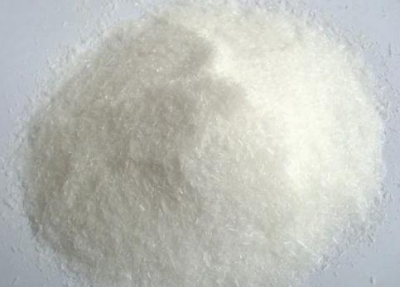
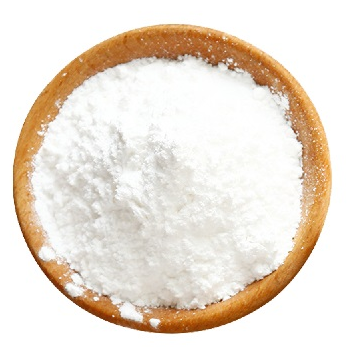
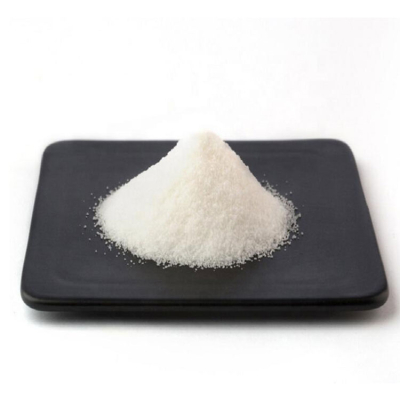
Cetyltrimethylammonium Bromide (CTAB) Market Booms: Fueled by Pharma Advancements, New Materials & Industrial Demand
Cetyltrimethylammonium bromide (CTAB), a versatile cationic quaternary ammonium compound, is experiencing robust market growth driven by expanding applications across high-value sectors. The Chinese CTAB market alone is projected to reach RMB 2.87 billion (approx. USD 400 million) in 2025, with a 6.5% compound annual growth rate (CAGR) through 2030, according to industry research. This growth is underpinned by surging demand in pharmaceuticals—where its high-purity grades serve as API and vaccine processing aids—alongside innovations in personal care, industrial processing, and advanced materials. Key market shifts include technological upgrades in production, rising focus on biocompatible formulations, and Asia-Pacific’s dominance as both a manufacturing hub and consumption center, with major players competing to enhance purity and eco-friendliness.
1. Market Scale & Regional Dynamics: Asia-Pacific Leads Growth
The global CTAB market is riding the expansion of the broader quaternary ammonium surfactant sector, which is forecast to grow from USD 45.6 billion in 2023 to USD 58.3 billion in 2025 globally. CTAB, as a key single-chain quaternary ammonium derivative, accounts for a significant share of this growth, particularly in Asia-Pacific.
In China, 华东 (East China) and 华南 (South China) regions dominate consumption, contributing over 60% of the national demand—driven by clustered pharmaceutical, personal care, and electronics industries. East China alone holds a 45% consumption share, while the central and western regions are emerging as high-growth markets with demand 增速 outpacing the national average by 3-5 percentage points.
Internationally, demand is concentrated in North America’s pharmaceutical sector and Europe’s specialty chemical markets, though Asia-Pacific is expected to contribute over 40% of global incremental demand through 2030, fueled by China’s manufacturing capacity and India’s growing pharmaceutical imports.
2. Core Application Sectors: From Pharma to Advanced Materials
CTAB’s unique amphiphilic structure—combining a hydrophobic cetyl chain and positively charged ammonium head—enables its versatility across diverse industries, with high-growth segments including:
Pharmaceuticals & Biotech
As a USP/NF-grade ingredient, CTAB serves multiple critical roles: it acts as an antiseptic agent effective against bacteria, fungi, and enveloped viruses (e.g., HIV, hepatitis B) in topical formulations . Novo Nordisk Pharmatech is the sole manufacturer offering cGMP-compliant CTAB for active pharmaceutical ingredients (APIs), used in antiseptic creams and vaccine downstream processing . In biotech, it remains a staple in DNA isolation protocols, where it disrupts cell walls and stabilizes nucleic acids for PCR and gene sequencing . The pharmaceutical sector consumed approximately 800 tons of CTAB in China in 2023, with a projected 10%+ annual growth through 2030 .
Personal Care
In cosmetics, CTAB functions as a conditioner, emulsifier, and preservative. It binds to negatively charged hair strands to reduce frizz and enhance manageability, while stabilizing oil-water emulsions in lotions . This segment is expected to account for 35% of China’s CTAB demand by 2030, driven by consumer upgrades toward high-performance haircare .
Industrial & Emerging Uses
3. Technological Upgrades: Purity, Efficiency & Sustainability
Manufacturers are prioritizing process innovation to meet stringent industry standards and environmental regulations:
Production & Purification Advances
The dominant production route—nucleophilic substitution of 1-bromohexadecane with trimethylamine—has seen efficiency gains via microreactor technology, which boosts reaction efficiency by 40% and cuts energy use by 25% . Purification is shifting from solvent crystallization to molecular distillation, enabling purity levels of 99.5%+ (up 2-3 percentage points from traditional methods) . China’s 2025 new national standard for industrial CTAB will tighten ash content limits to 0.05% and free amine to 0.3%, driving adoption of advanced purification .
Environmental Compliance
New surface 活性剂 industry standards mandate wastewater COD limits of 80mg/L, prompting adoption of membrane separation (reducing treatment costs by 38%) and electrocatalytic oxidation (95% COD removal) . Green catalyst R&D—such as nano-gold and metal-organic framework catalysts—has shortened reaction times to 4 hours and lowered production costs by 18-20% .
4. Competitive Landscape: Global Players & Regional Consolidation
The CTAB market features a mix of international specialty chemical firms and regional manufacturers, with increasing concentration:
Key Global Players
Chinese Market Leaders
Domestic firms including Yixing Kailida Chemical, Shanghai Jinshan Jingwei, and Xiamen XM-Innovation Chemical dominate regional production, focusing on industrial and mid-grade CTAB . The top five manufacturers are projected to capture 55% of China’s market by 2030, up from 45% in 2025, as smaller players struggle with regulatory and technical barriers .
5. Future Outlook: Opportunities & Challenges
The CTAB market’s growth trajectory hinges on demand from high-value sectors and ability to address sustainability pressures:
Growth Drivers
Key Challenges
- Previous : ron Oxide (Fe₃O₄) Nanomaterials Achieve Triple Breakthrough in Magnetic, Catalytic, and Biomedical Functions, Customized Product Platform Drives Domestic Adoption in High-End Applications
- Next : Rhamnolipids: Biodegradable Biosurfactants Paving the Way for Sustainable Industrial Transformation